Blog

  • Firefighter!

    Firefighter!

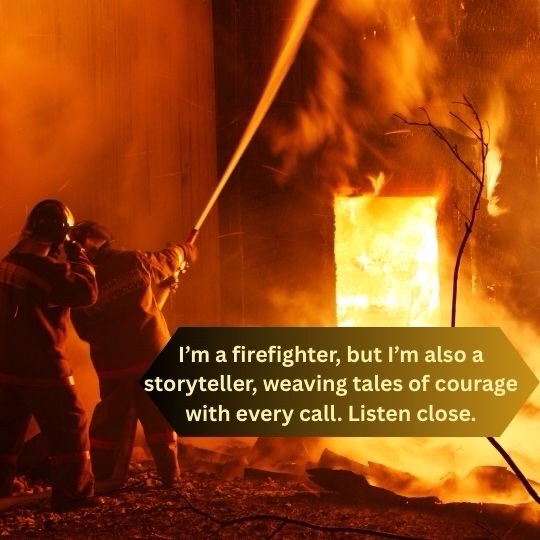
    The house is on fire in Washington, D.C., America.

    All the neighbors come running to check on the house.

    A firefighter was called, and luckily no one was injured.

    He brings the water pipe to blow out the fire.

    The firefighter is capable of controlling the fire in the house!

  • Ink!

    Ink!

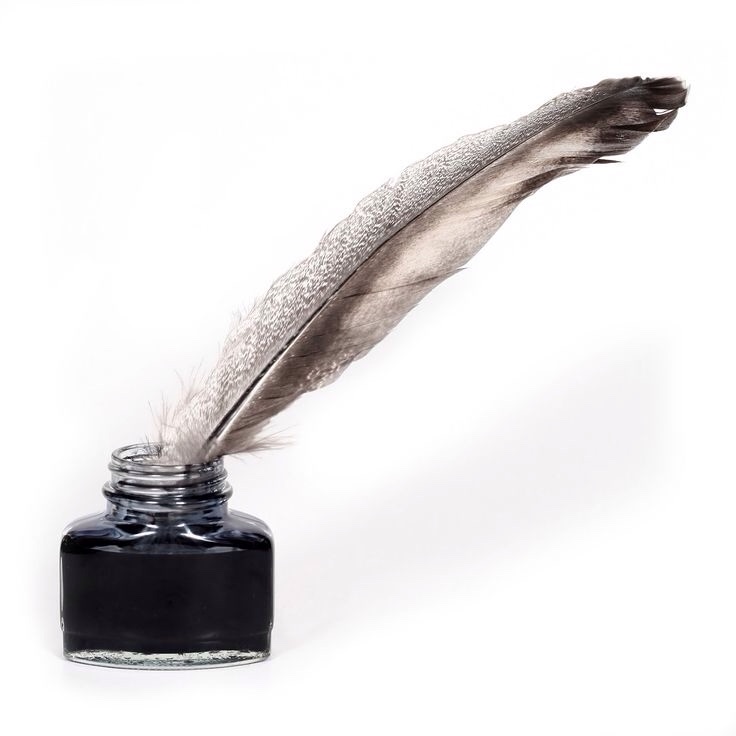
    There was a man who worked as a soldier in the war.

    He used to write letters to his wife with the ink.

    Just like ancient times!

  • Six Word Story

    Six Word Story

    When is the next episode coming?

  • Have a Sweet Weekend.

    Have a Sweet Weekend.

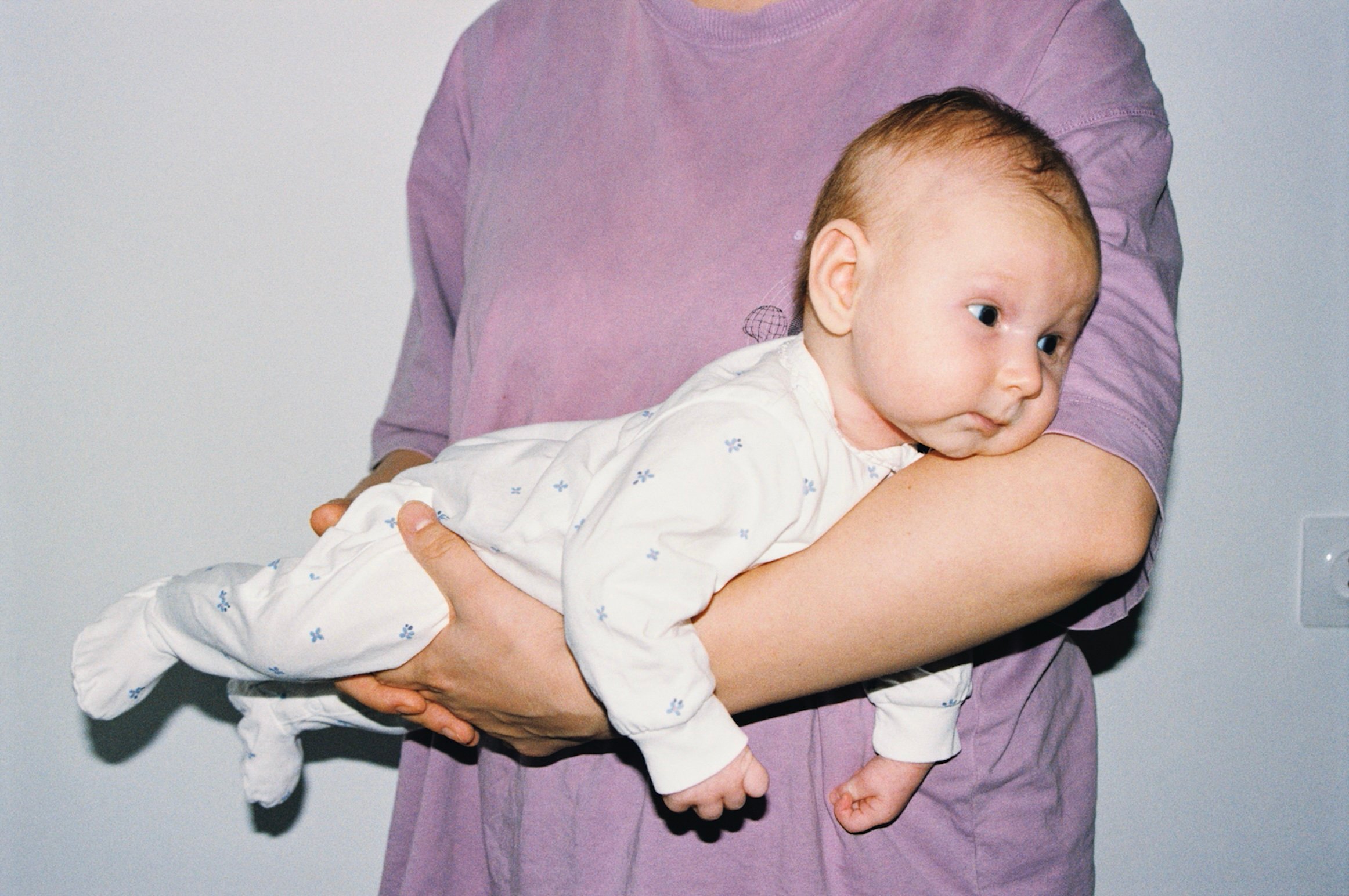
    baby

    What are you up to this weekend? I’m getting over the worst cold and cough (ahem), so tonight we are staying home and ordering Indian food.… Read more

    The post Have a Sweet Weekend. appeared first on Cup of Jo.

  • Home Safety for People with Limited Mobility

    Mobility issues can arise from various sources, including infections, arthritis, long-term illnesses, or simply the natural effects of aging. No matter what’s behind it, moving around at home often gets tricky. There’s a bigger risk of falling, struggling to reach things you need, or running into obstacles – especially if an emergency pops up. But making thoughtful changes to your home setup can go a long way. The right adjustments really do help cut down on accidents and make daily life a lot smoother.


    🍳 Adapt the Kitchen First

    Kitchens force you into tight spaces near hot surfaces and water. A few targeted updates make a big difference:

    • Store pots, pans, and daily essentials in lower cabinets — no climbing or reaching
    • Adjust counter heights for sitting or standing to protect your back
    • Use appliance garages to keep gadgets handy with cords safely tucked away
    • Add motion-sensor cabinet lighting under cabinets to brighten prep and clean-up areas
    • Insulate hot water pipes to lower burn risk
    • Install grip-friendly flooring like high-friction laminate for better stability

    For anyone using a walker or a power chair for home use, wider pathways are essential. Reroute traffic flow where possible and swap in adjustable or pull-out cabinet and sink hardware to eliminate awkward bending and reaching. Check appliance cords regularly for wear to cut down on electrical hazards. These changes also pair well with wellness technology built for seniors, from smart sensors to fall detection devices that add another layer of safety at home.


    🔍 Assess Risk Factors and Hazards

    Start by walking through your home and spotting problem areas. Or bring in a physical therapist or accessibility expert for a more thorough once-over — they catch things most people miss.

    Danger zones tend to cluster in the same places: flooring, bathrooms, kitchens, bedrooms, and entryways. Poor lighting, missing grab bars, uneven floors, clutter in walkways, and out-of-reach tools all increase fall risk. The CDC’s fall prevention resources offer evidence-based checklists worth keeping on hand. Once you know what’s risky, focus on the areas you use most and revisit as your needs change.


    🚿 Bathroom Safety Solutions

    Bathrooms combine slick floors, water, and tight quarters — a high-risk combination. The National Institute on Aging identifies bathrooms as one of the most common sites for senior falls. Most fixes are affordable and fast:

    ✅ Quick Bathroom Safety Wins

    • ✅ Lighting: Add nightlights and place switches at each room entrance
    • ✅ Grab bars: Install near toilets and in showers at heights that work for you
    • ✅ Anti-slip strips in the shower, or rubber-backed mats instead of regular rugs
    • ✅ Adjustable showerhead for seated or standing use
    • ✅ Waterproof shower seat for breaks mid-shower
    • ✅ Raised toilet seat with safety frame to make sitting and standing easier

    📋 Additional Safety Tips for Seniors

    • Eyes and ears: Get regular checkups and update prescriptions promptly — vision and hearing changes are a leading fall trigger
    • Footwear: Wear well-fitting, supportive shoes and watch for pets, loose cords, and uneven floors
    • Lighting: Keep stairways, hallways, entryways, and bathrooms well-lit at all times
    • Clear paths: Keep hallways open and store heavy items safely out of walkways
    • Easy reach: Store frequently used items within reach and use grabber tools to avoid stretching
    • Equipment checks: Regularly inspect canes, walkers, and wheelchairs to make sure they are in good working order
    • Emergency access: Keep call systems or phones within reach in every room
    • Stay active and hydrated: Reduces weakness, dizziness, and mental fog — all common contributors to household falls
    • Buddy system: Let neighbors know about any mobility limitations so they can check in quickly if something seems off

    🏡 Stay Proactive About Home Safety

    Home upgrades are only part of the picture. Sticking with physical or occupational therapy keeps your core strong, your body flexible, and your balance sharp — all critical for moving safely at home. Building and maintaining healthy daily habits matters just as much as any hardware change you make.

    Loop in your healthcare providers about your home setup and any mobility issues so first responders know what they’re walking into. Modern medical alert devices make it easy to notify someone immediately if you fall. And if you’re starting to think beyond home modifications, our guide to assisted living is a helpful next step.

    “Your needs will shift over time. Keep assessing, keep adjusting — that’s how you stay independent and age in place comfortably for the long haul.”

    The post Home Safety for People with Limited Mobility appeared first on Better Living.

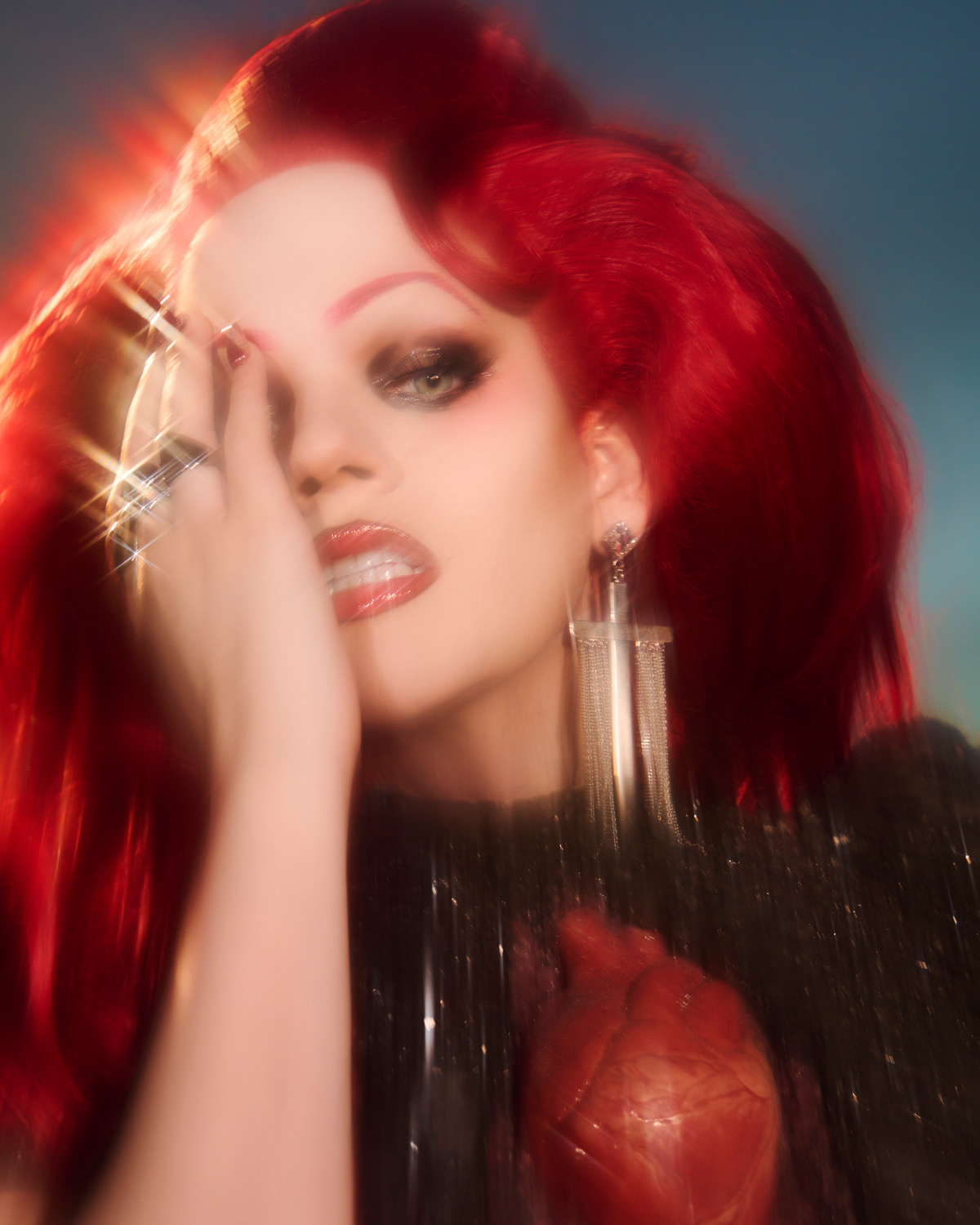
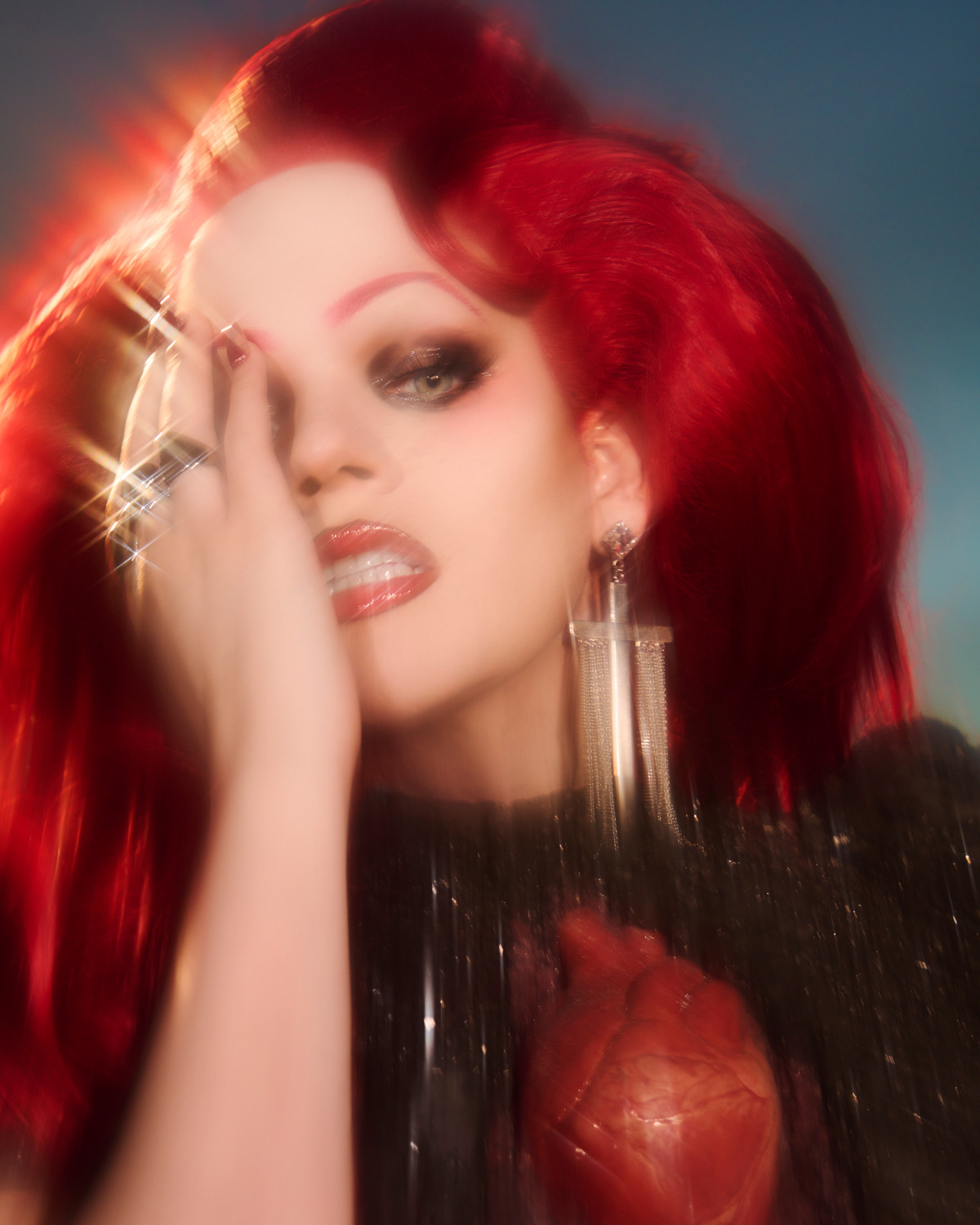
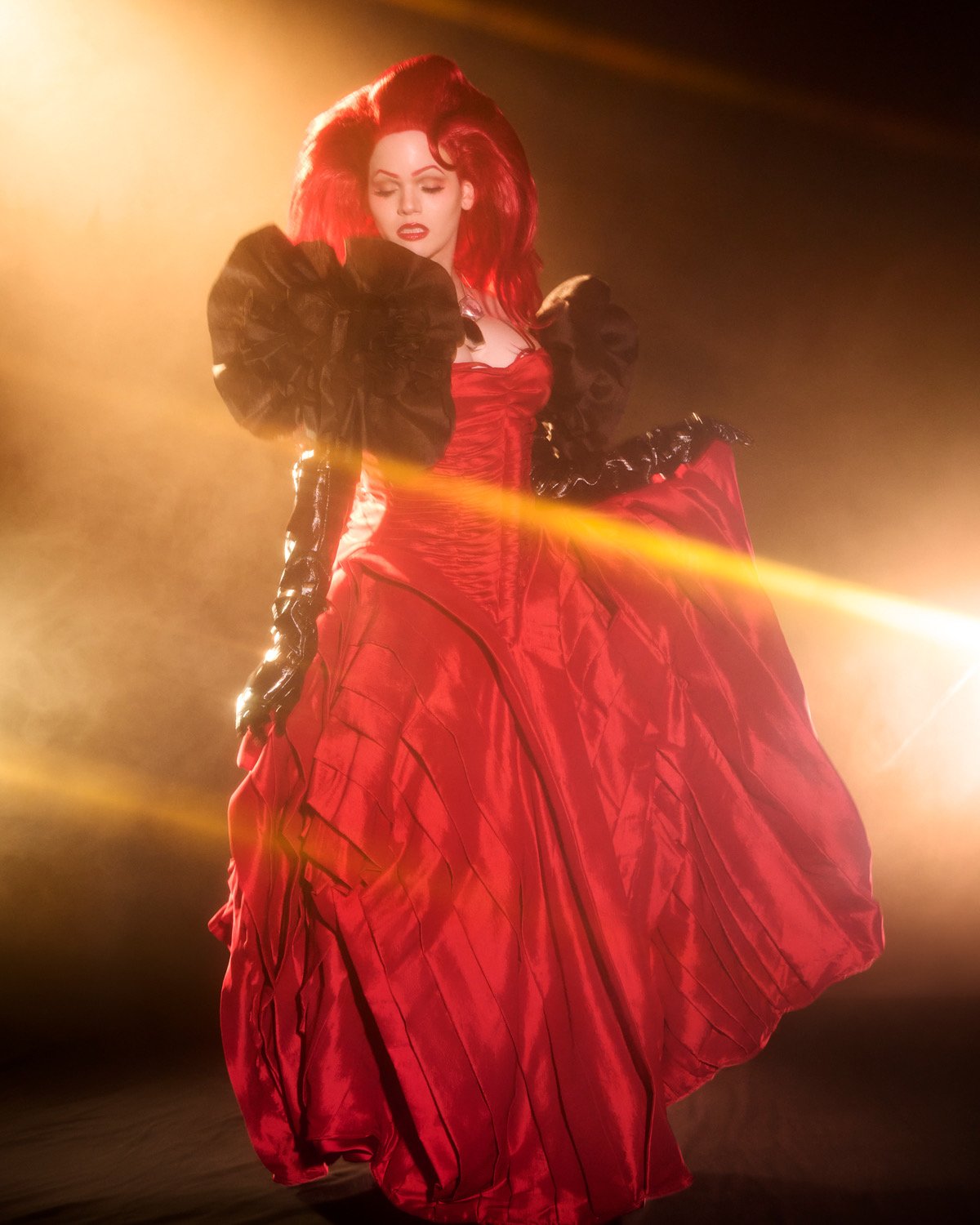
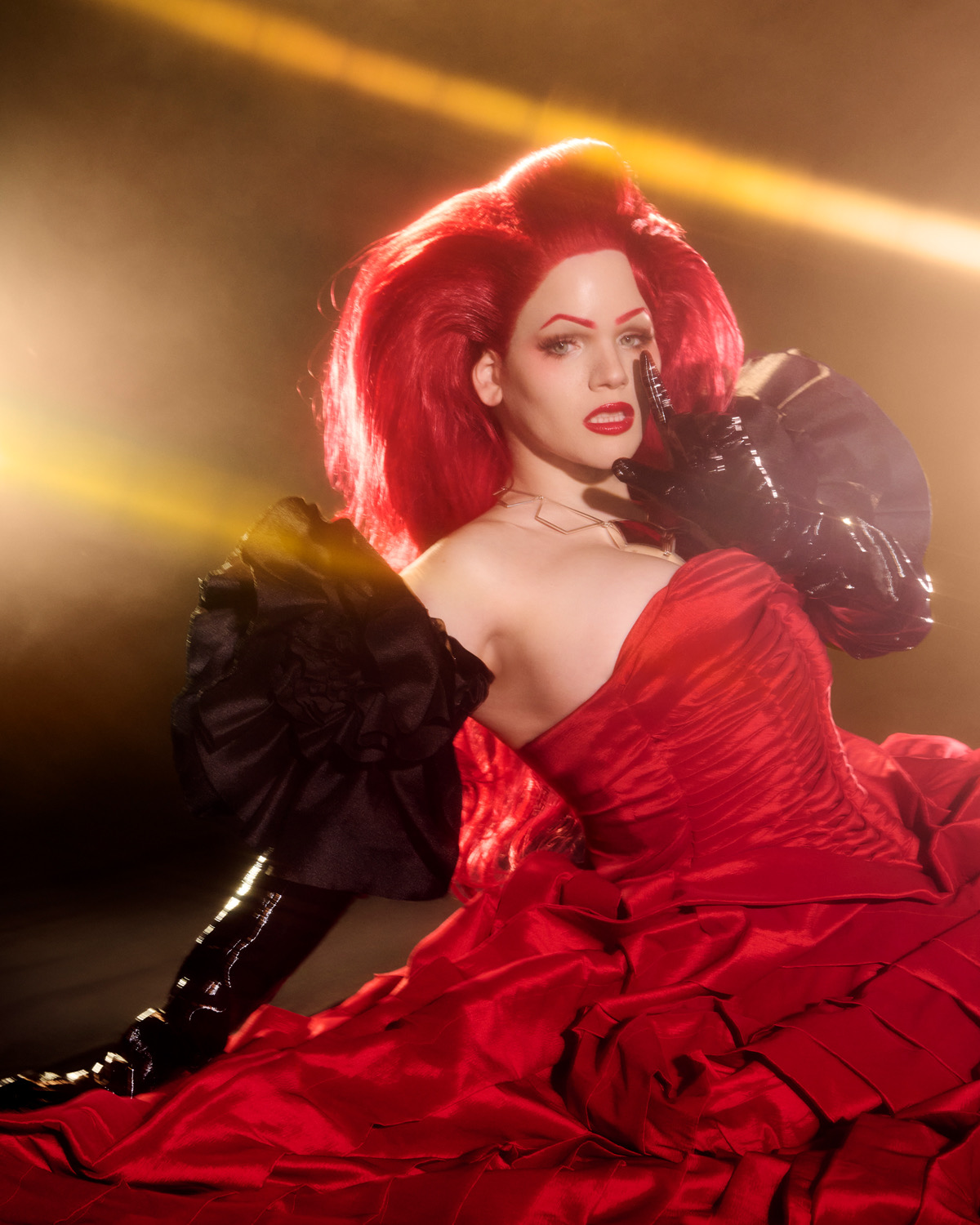
  • MORGIN DUPONTS PUSHES HER LUCK THIS FRIDAY THE 13TH WITH ALCHEMY EP RELEASE

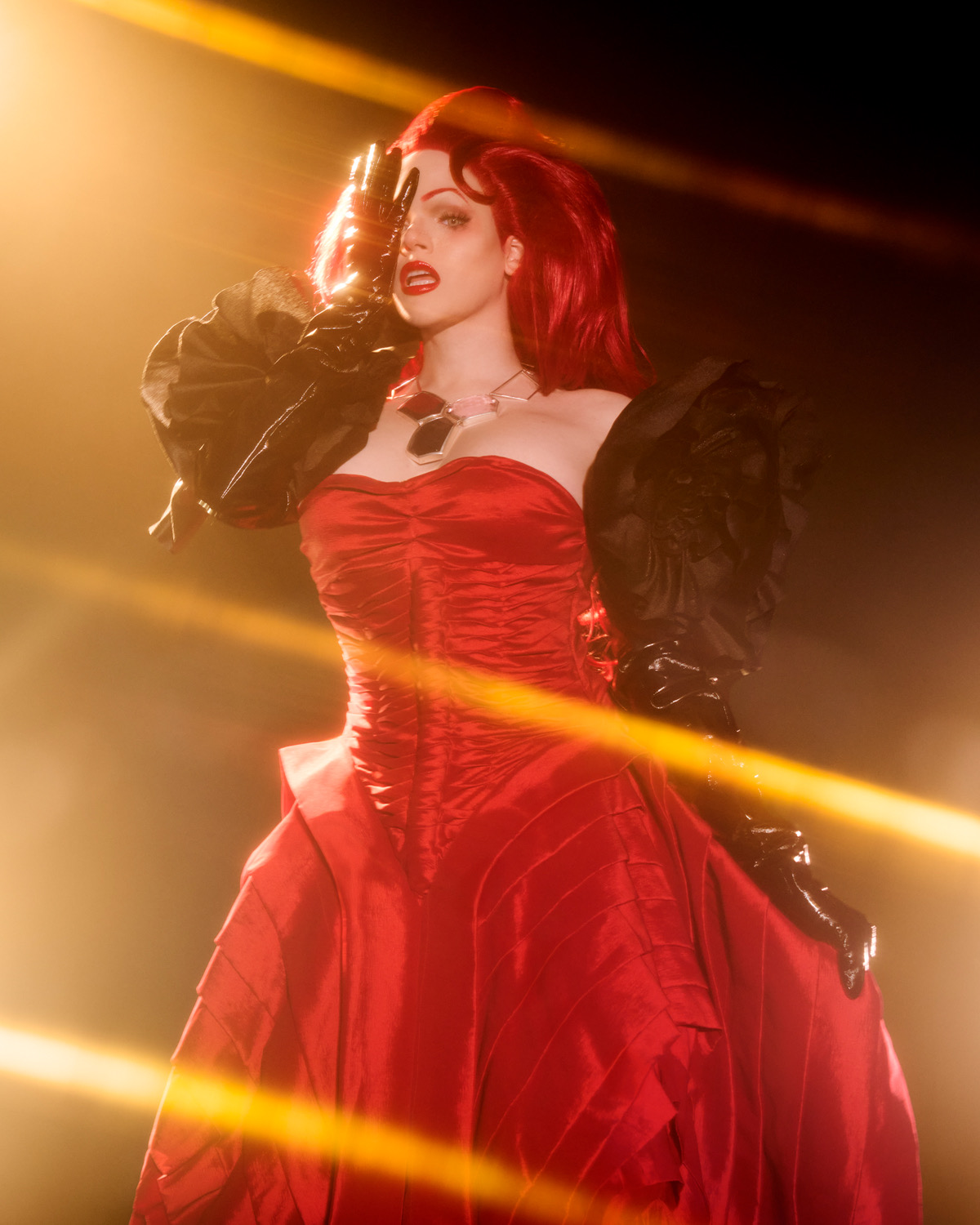
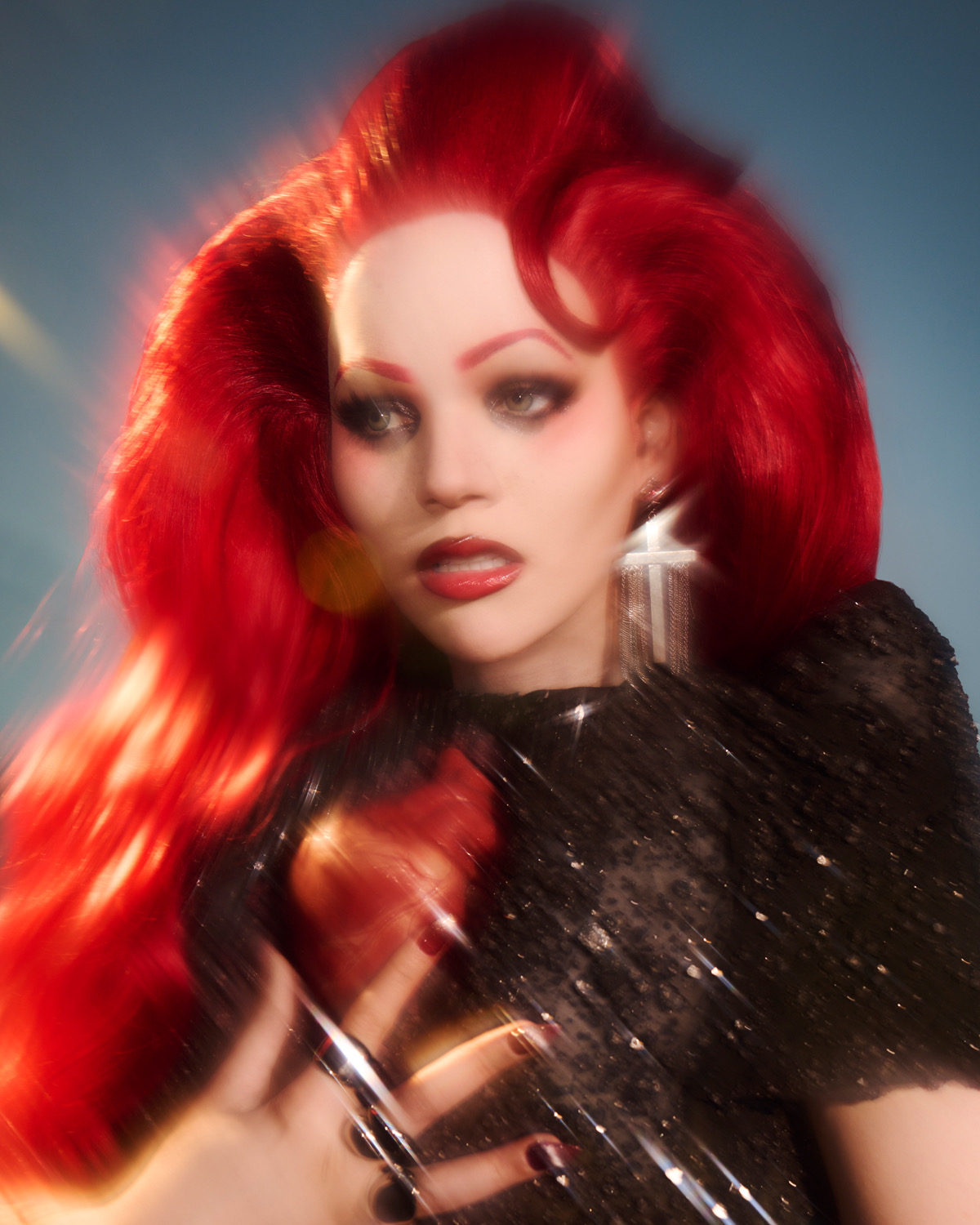
    MORGIN DUPONTS PUSHES HER LUCK THIS FRIDAY THE 13TH WITH ALCHEMY EP RELEASE

    Story/ @bri.ng.schwartz

    Photos / @juliacomita

    Album Art Design / @stephiejae

    Stylist / @andyomo

    Hair / @adamesbrandon

    Album Mastering and Producer / @jhevere


    Morgin DuPont is anything but unlucky this Friday the 13th, as she basks in the release of Alchemy, her second EP. A departure from Pearls, DuPont embraces her ever-evolving identity. With lyrics more personal than ever, and a soundscape that is both vocal and rap forward, she staples herself as an inspiration for the New York girls who dare to be different, unapologetically.


    Congratulations on the release of Alchemy. How long has this project been in the making, and what can you share about the development process of creating this EP? 

    This project was born out of another project that I was originally working on. Originally, I was going for a more sad, emo, alternative route. But then life kind of inspired me to do a bit more dance, because I feel like that’s what the world needs right now. So it wasn’t necessarily planned, but I guess together with the project I was initially working on, I would say it’s probably 4 or 5 years in the making. 

    “Reach Out” was the first single released from the EP. It’s such an anthem for us yearners. Have you had any memorable fan responses to the song so far?


    I had one particular person who contacted me and mentioned that the song was super relatable, and that they’ve been struggling with being in a toxic relationship. They were searching for that gratifying feeling, that validation from the people who we love who aren’t necessarily the best for us.

    I think people are going to love ‘I’m the doll’. Fans already love the snippets I have shared. I’m most excited for people to hear “Party from Home”, which is another track on the album. I just feel like it’s so relatable for those who sometimes feel a bit introverted and a bit tired of the nightlife and party scene. It’s almost contradictory in its sound, because it’s a very uptight, fast club type of record, but the whole premise of the song and the lyrics is talking about staying home.


    Your message is incredibly raw and vulnerable. Has sharing about your experience in this way always come naturally to you? Or is that a confidence that’s been built over time?


    I would say both. I’ve always been very authentic, and I’ve always been a person who follows the beat of my own drum. With that being said, following the beat of my own drum in front of an audience? Is that new to me? Yes. But I guess it is a little different when there are opinions that are shared when you put your life out there publicly. I am gonna be who I am, and I’m gonna always be unapologetic about it. But I guess it is a little new in a way, because it’s in front of people. I’m also an oversharer. I’m a person who kind of thinks everybody’s a friend in my head, so I kind of just spill all the beans and don’t leave much for the imagination. 

    What advice do you have for other songwriters looking to tap more into the more personal parts of themselves in their work?


    Walk towards your fear of putting your heart out there. Let the world have a piece of your heart. I think that’s where the best music lies, it makes a big difference. It hits different when it comes from a real place, when it comes from real-life experiences, and yeah, people can feel that.


    What have been some of your biggest lessons learned so far in your own career?
    Don’t wait for others to make things happen. I’m an independent artist, so I’ve definitely gotten a lot of no’s. At times working with other people, whether it’s producers or artists, people can be unreliable or they could have their own agendas that differ from yours.

    I always like to work with people who do it for the love. We all want to make money, and a transactional relationship isn’t necessarily negative when it comes to the music business. It is a business, and everybody should be paid for their gifts and their talent. I’ve just learned to discern and enroll with the people who will do it for the art.

    How do you think your identity as a native New Yorker informs your own artistic voice and point of view?


    I’m a straight shooter, you know? Being a Puerto Rican tranny from New York, I have dealt with a lot of things in my life. Even my aesthetic, or how I present myself, is all an expression of rebellion. I don’t dress for somebody; I dress for me. I don’t create for people. I create for myself first. I follow the beat on my own drum and I think that’s very New York.


    What advice would you say for other young trans creatives looking to push forward throughout the noise of the industry?


    Embrace your uniqueness and your voice. Sometimes trans people experience gender dysphoria, and we can have a weird relationship with the sound of our voice. I want to inspire trans artists to embrace their voices, whether it’s masculine, whether it’s feminine, whether it’s everything in between, because it’s what makes you different. Do not let people put you in a box. Just be an artist.


    Alchemy is being released on Friday the 13th. Do you have a relationship with superstition?


    I’m not the type who’s gonna go frantic about splitting a pole, or knock on wood. I don’t necessarily believe I feel like I’m definitely more powerful than that. However, I do believe in synchronicity, numbers, and the power in numerology and astrology. I believe in a higher source, a power – the power of my pussy! When I released “Reach Out”, it was on 11/11. Little things like that do make me feel like I am aligning with something bigger. It’s not just any day, it’s Friday the 13th! 

    I feel lucky to have basked in Morgin DuPont’s words of inspiration during our conversation, and to have a new soundtrack to my Spring. As New Yorkers begin to defrost and gather, I’ll remind myself to stay true to who I am, relating especially to songs like “Party From Home” as a self proclaimed extroverted introvert. Her brave and rebellious voice is a needed one in our current music landscape. As our Trans, LGBTQ and Latinx siblings and loved ones continue to face the unspeakable, Alchemy is a reminder of what it looks like to speak truth to power. 


    CONNECT WITH MORGIN DuPONT:
    INSTA / YOUTUBE


    The post MORGIN DUPONTS PUSHES HER LUCK THIS FRIDAY THE 13TH WITH ALCHEMY EP RELEASE appeared first on LADYGUNN.

  • LIVIU ALEXA: THE MAN WHO PAINTS WHAT HE CANNOT WRITE

    LIVIU ALEXA: THE MAN WHO PAINTS WHAT HE CANNOT WRITE


    Romanian Liviu Alexa spent twenty-seven years as a journalist investigating corruption, organized crime, and the rot hiding in plain sight across deep-actors. He built the country’s most-read Substack, Strict Secret, exposed politicians and power brokers, and made enemies in all the right places. 

    Then, at forty-six, he picked up a brush and started painting what words could no longer contain.

    His first solo exhibition, “We Are The Apocalypse,” opened at the Cluj Art Museum in February 2026 and immediately became something nobody anticipated: a phenomenon. 

    The museum reported record-breaking ticket sales for thousands paying visitors, far exceeding most solo exhibitions held there in recent years. Paintings sold for up to 55,000 euros, prices unheard of for a debut exhibition by a self-taught artist in Romania. 

    Critics scrambled to explain how someone with no formal training could command figures that established artists spend decades chasing. The explanation might be simpler than they want to admit: Alexa has spent his entire adult life learning to see what others refuse to look at, and now he’s making that vision impossible to ignore.

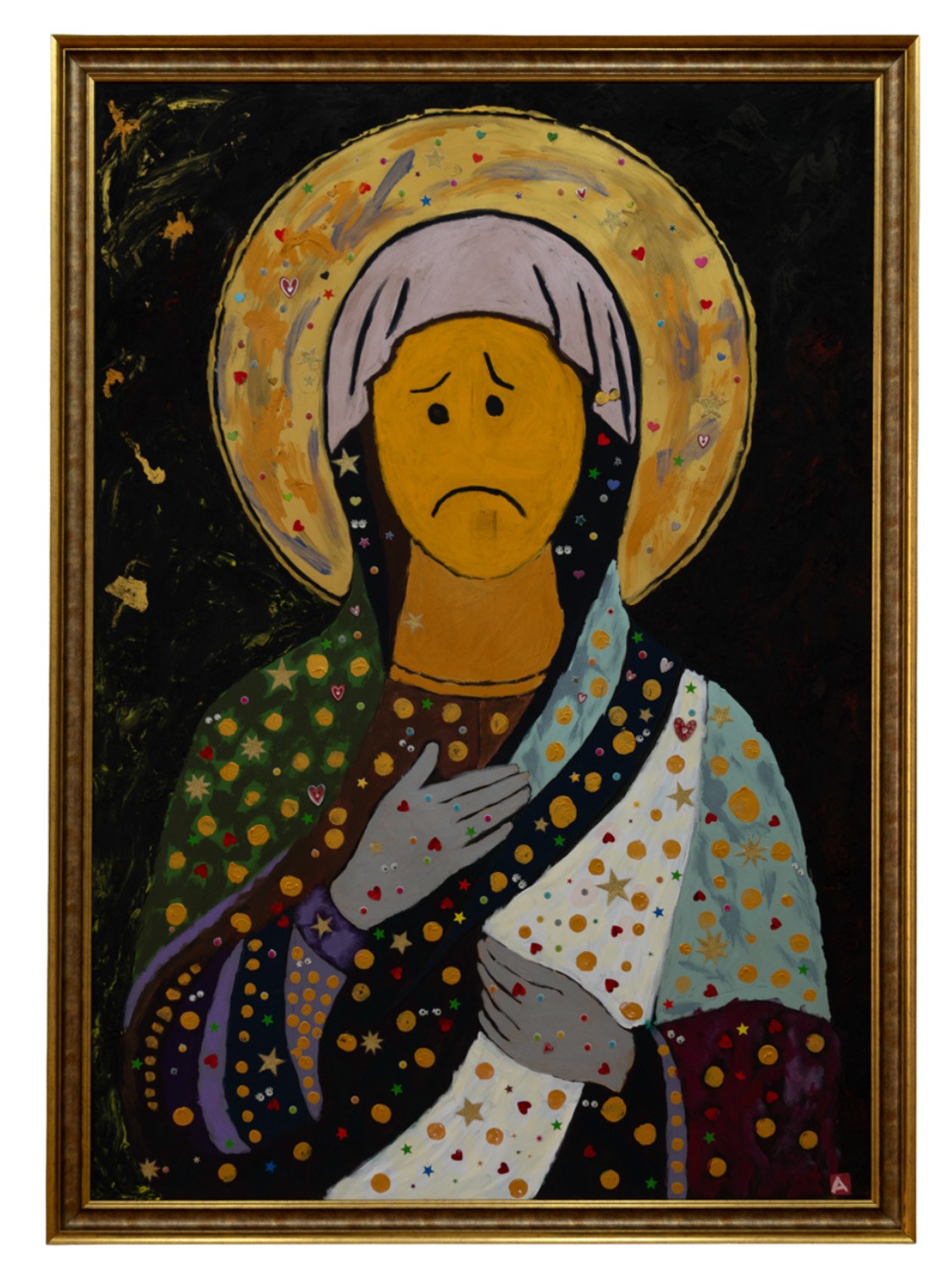
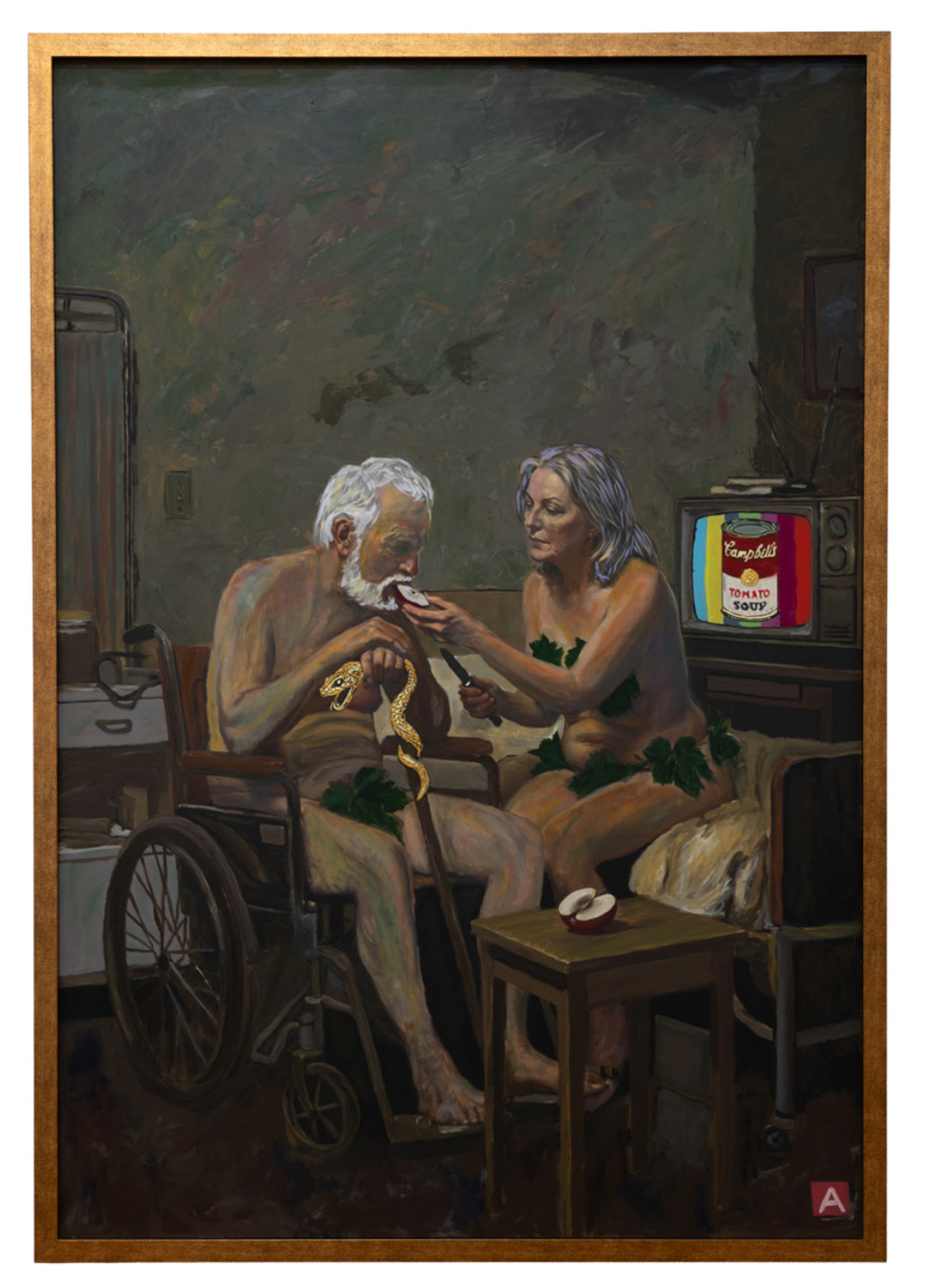
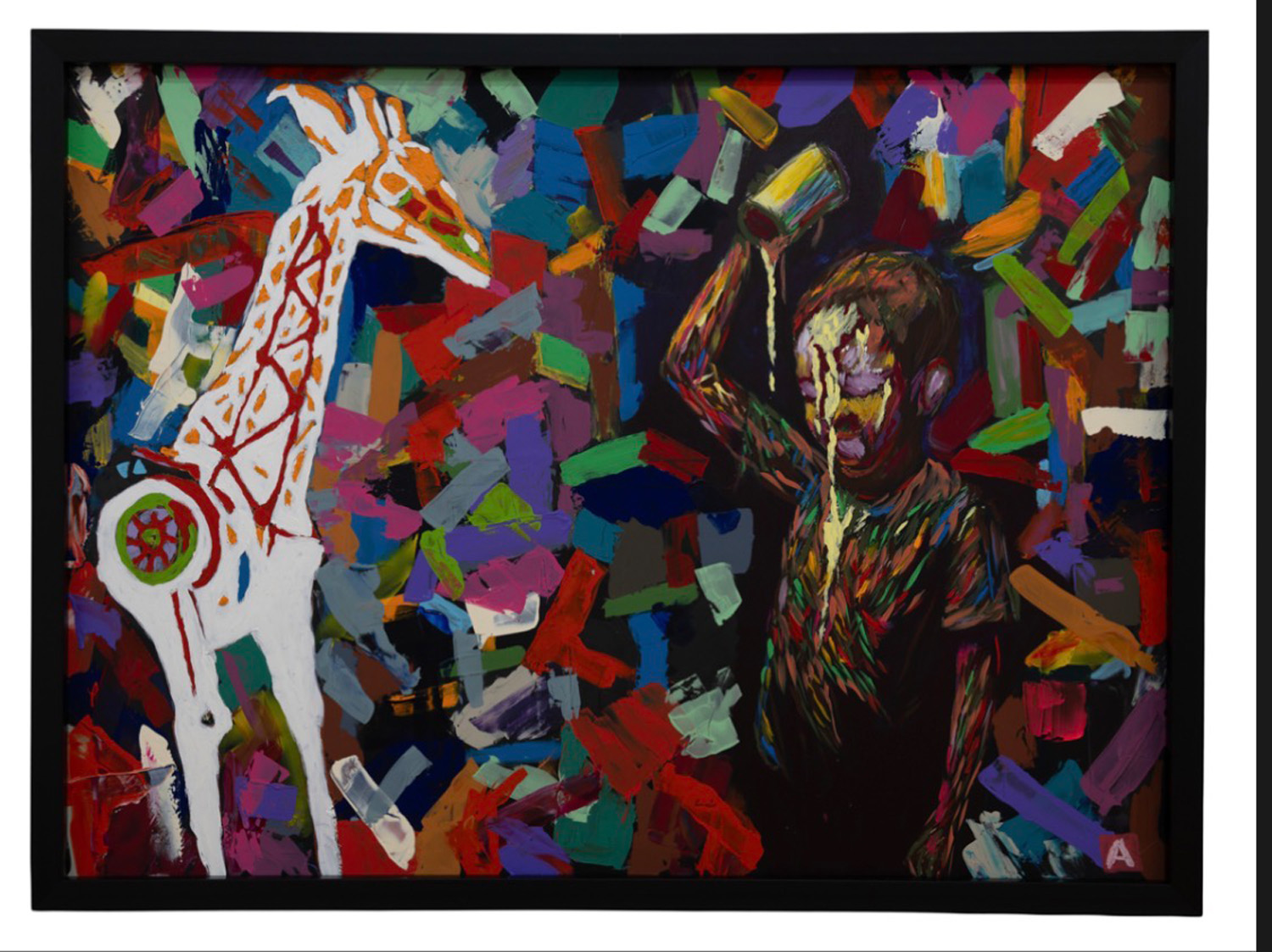
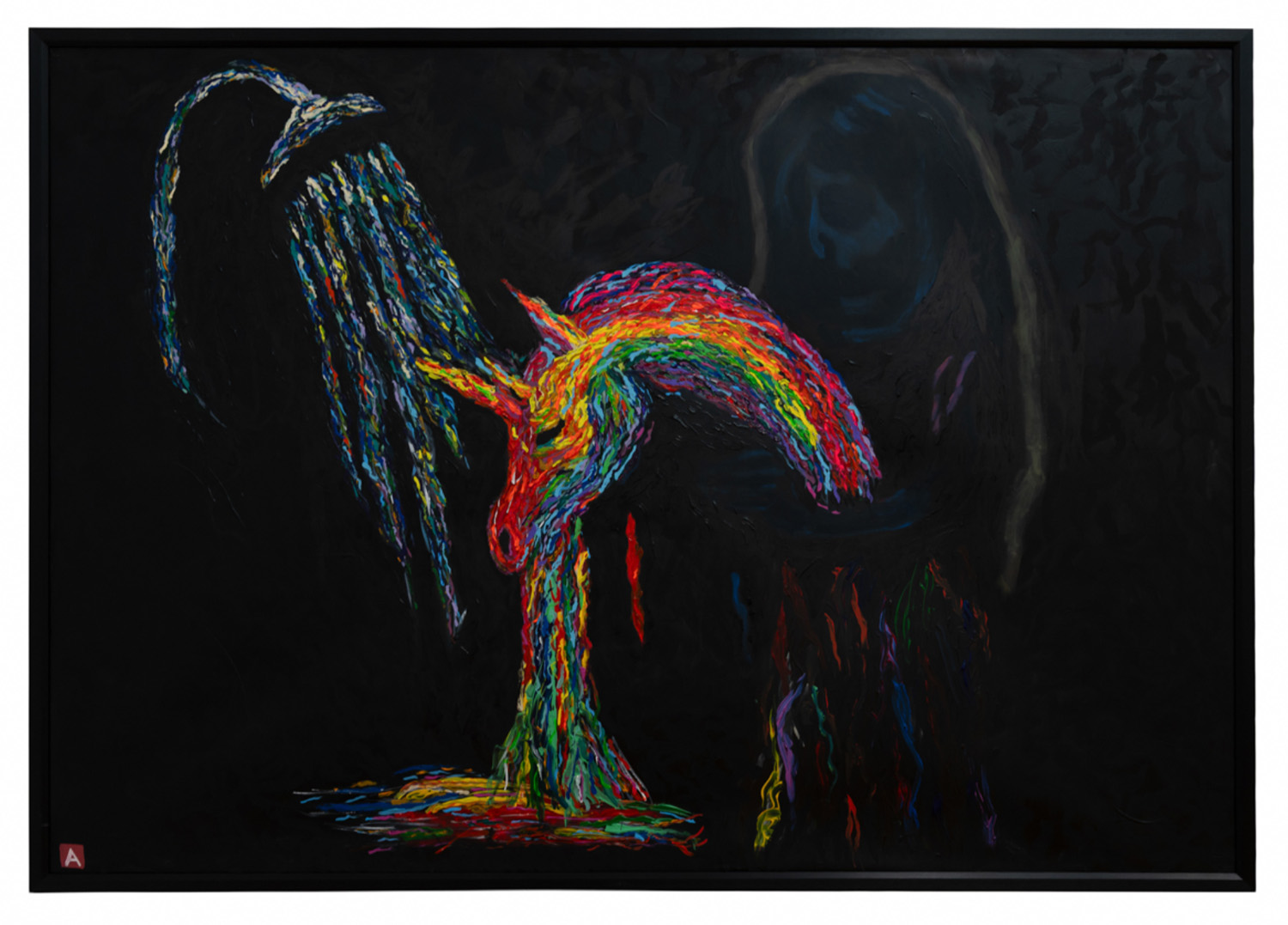
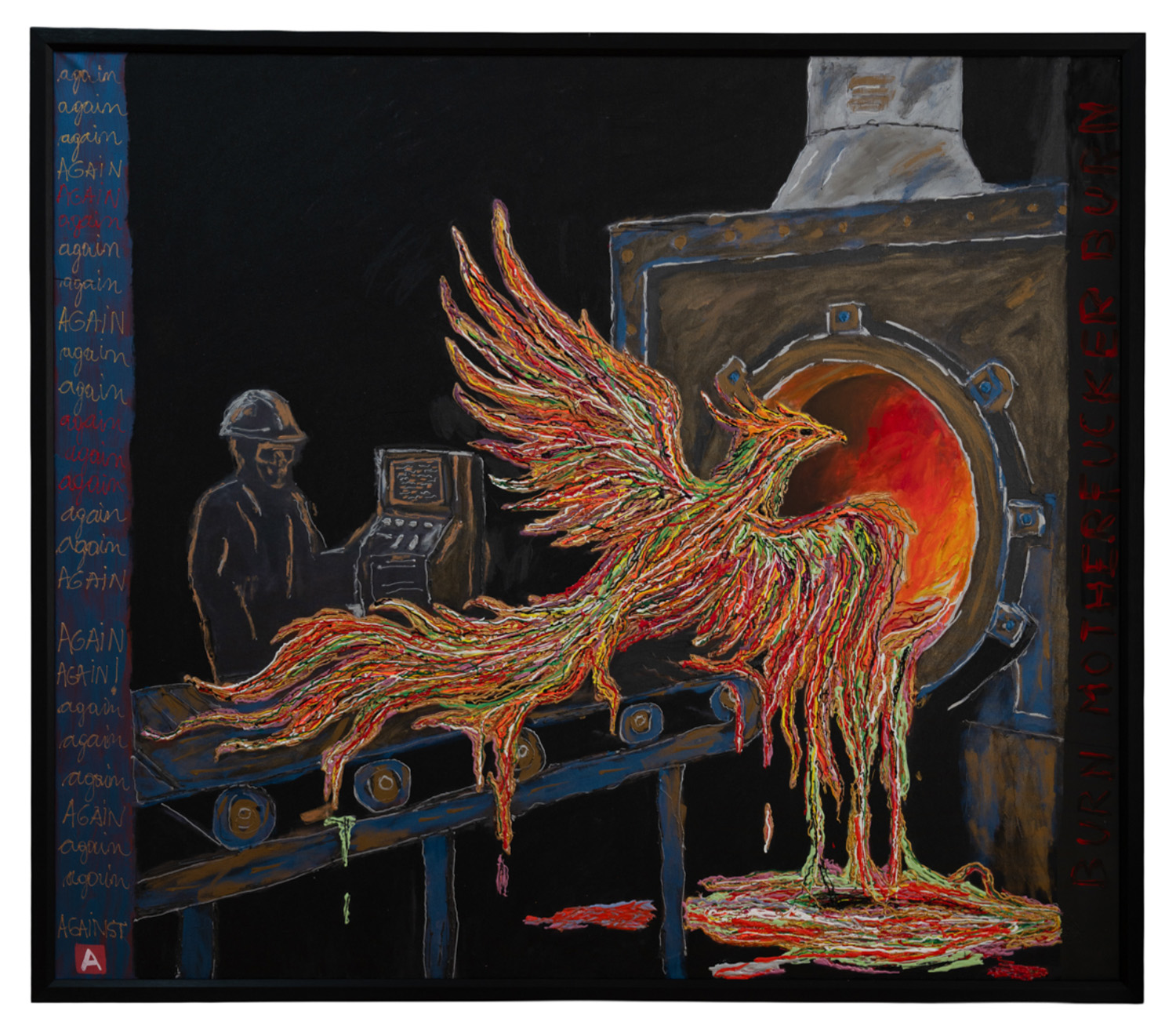
    The work itself is overwhelming in the best sense. Massive neo-expressionist canvases saturated with what Alexa calls “rotten golds, nicotine yellows, and bruise purples” – a palette that feels both sacred and decayed, like Byzantine icons left to weather in an industrial wasteland. 


    His subjects draw from religious iconography, but stripped of comfort and reassembled for the digital age. Madonnas bleed emoji tears. Saints wear Formula 1 headsets and stare into screens instead of heaven. The Last Supper happens over Zoom, disciples frozen in their little rectangles, connection lost. Angels slouch in tracksuits, scrolling their phones with the bored indifference of teenagers waiting for something that will never come.

    Nothing is mocked, exactly. The irreverence isn’t adolescent provocation – it’s something sadder and more honest. Alexa isn’t attacking the sacred; he’s documenting what we’ve already done to it. The profanation happened without him, through the slow erosion of meaning in a world where every symbol becomes content and every mystery gets flattened into a meme. His paintings don’t desecrate. They witness.

    The canvases are large because the apocalypse is large. They’re dense because chaos is dense. They’re colored with an almost obscene vibrancy because the world we’ve built is colored with obscene vibrancy – screens glowing, feeds refreshing, notifications pinging, everything loud and bright and empty. Alexa paints in the visual language of overstimulation because that’s the only language left that anyone understands. “Subtlety is a luxury for eras that have time. We don’t have time. We’re already in the fire, wondering why it’s getting warm”, says the artist.

    The title of the exhibition – “We Are The Apocalypse” – isn’t metaphor or hyperbole. It’s diagnosis. 

    “We keep waiting for the end to arrive from somewhere outside: a comet, a war, an alien invasion, some external force that will finally bring the reckoning. But that  apocalypse isn’t coming. It’s already here. We’re making it, day by day, through everything we choose to ignore, tolerate, consume, post, destroy. The end of the world doesn’t look like fire from the sky. It looks like us, staring at our phones, watching it all burn in real time and hitting the heart button”, Liviu Alexa insists.

    Alexa has no formal art education and makes no apologies for it. “I didn’t study painting at university,” he says. “But I studied people. For twenty-seven years, through files, through sources, through documents. I’ve seen evil in all its forms – not the cinematic kind, but the banal kind, the kind that wears suits and signs papers and goes home to dinner with its family. At some point, what I was seeing no longer fit into words. Not because I couldn’t find them – I’m actually quite talented at writing – but because some things, when you articulate them too clearly, become bearable. And I didn’t want them to be bearable. That’s why I say: I paint what I cannot write. A painting doesn’t judge. It places a vision before you, the author’s vision, and leaves you alone with it.”

    This relationship between journalism and art isn’t coincidental – it’s causal. The same instinct that drove Alexa to expose hidden truths now drives him to expose hidden feelings, the ones we bury under irony and distraction and endless scrolling. His investigative background shows in the work’s relentless honesty, its refusal to look away or soften what it sees. These aren’t paintings that flatter the viewer or offer easy comfort. They’re paintings that implicate. You don’t stand in front of an Alexa canvas feeling good about yourself. You stand there feeling seen, and not in the Instagram sense of the word.

    The technical execution matches the conceptual ambition. Alexa works in thick impasto, aggressive brushwork that leaves the surface scarred and textured, paint piled on paint until the canvas itself becomes a battlefield. There’s nothing polished or refined about the application – it’s urgent, almost violent, as if the images had to be forced out before they escaped. The result has a physical presence that photographs can’t capture. You need to stand in front of these paintings to feel their weight, to see how the light catches the ridges and valleys of paint, to understand that they’re not just images but objects, things that exist in space and demand space.

    His influences are visible but not derivative: the emotional intensity of German Expressionism, the religious confrontation of Francis Bacon, the saturated chaos of Neo-Expressionists like Basquiat and Schnabel. 

    But Alexa isn’t imitating any of them. He’s processing the same human darkness through a different lens – the lens of someone who spent decades in the trenches of investigative journalism, who knows exactly how the powerful abuse the powerless, who has seen the documents and followed the money and watched the guilty walk free. That knowledge saturates every canvas. You’re not looking at art made by someone who imagines evil. You’re looking at art made by someone who has catalogued it.

    And then, less than two months after his debut, Alexa did something that shocked the Romanian art world even more than his emergence: he announced a second solo exhibition. 

    “FILCAI” opens in April 2026 at Kulterra Gallery in Bucharest, and it represents a radical conceptual departure. Where “We Are The Apocalypse” dealt with religious iconography and digital decay, “FILCAI” reimagines a traditional Transylvanian card game as a vehicle for pure contemporary art.

    The concept is audacious. Filcai is a card game played in Transylvania villages and commuter trains, a working-class pastime with roots in Habsburg-era resistance. Its original deck, designed around 1835 by Hungarian painter József Schneider, featured characters from Friedrich Schiller’s Wilhelm Tell – a coded act of defiance against imperial rule. 

    As Salvador Dali did with the Tarot cards almost 50 years ago, Alexa is redesigning all twenty cards as large-scale paintings, replacing the original figures with a menagerie of decrepit heroes, forgotten gods, and reimagined Romanian folklore characters. 

    The Ogre, once a princess-stealing monster, now works as a garbage collector, picking up discarded hearts that people throw away on Facebook. Cleopatra delivers for Glovo. Icarus has upgraded his wings. 

    The Flyer, a Romanian mythological seducer, has grown old and turned gay since he can no longer conquer women. Pinocchio, after therapy with a personal development coach, has decided to build Gepetto himself – and, even more, to construct the mother he never had.

    This is contemporary art at its most conceptual and its most rooted. 

    Alexa is taking something deeply local – a card game known perhaps only in the depths of Transylvania – and transforming it into a universal statement about mythology, class, and the survival of meaning in a disposable world. He describes it as a bridge between highbrow art and life with blisters on your feet, an homage to those who commute back and forth just to put bread on the table. The ambition is staggering: to make an obscure regional card game into an international artistic voice.

    Two solo exhibitions in four months. Record-breaking sales. Critical attention from a scene that didn’t know he existed a year ago. Alexa isn’t building a career in the conventional sense – he’s erupting into visibility with a force that suggests decades of pressure finally finding release. Whether the art world can keep up with his pace remains to be seen. What’s certain is that he’s not waiting for permission, not following any established path, not doing what debut artists are supposed to do. He’s making his own rules, and so far, they’re working.


    Screenshot

    The post LIVIU ALEXA: THE MAN WHO PAINTS WHAT HE CANNOT WRITE appeared first on LADYGUNN.

  • Preschool Dreams

    Preschool Dreams

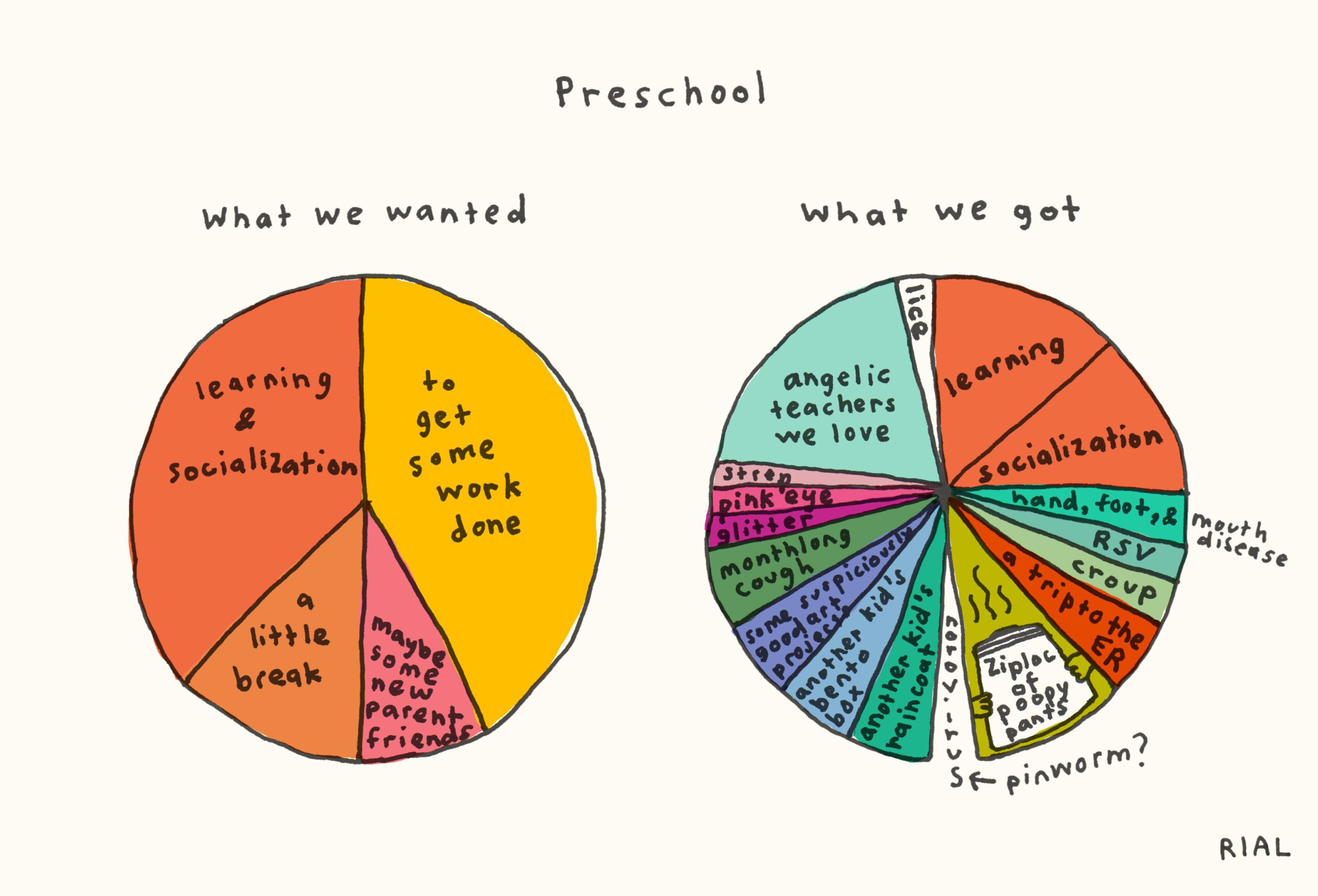
    preschool comic michelle rial

    Nailed it.

    Michelle Rial is the author and illustrator of the forthcoming picture book Charts for Babies. Her work has appeared in The New Yorker, Oprah Daily, WIRED, and more.Read more

    The post Preschool Dreams appeared first on Cup of Jo.

  • Ice Skating!

    Ice Skating!

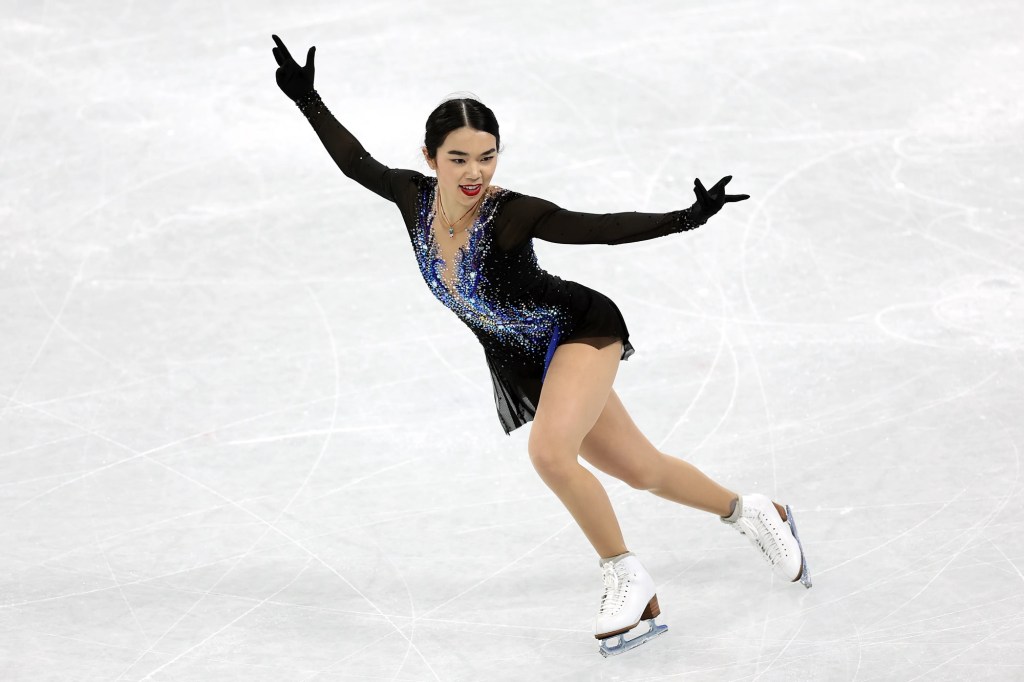
    There is a girl named Susan who loves skating very much.

    Susan is a pro in skating on the ice at the age of thirteen.

    Her parents enjoy watching her skate.

    All her friends encourage Susan and support her too.

    This sport is a fun activity and thrilling to watch!

  • JAMIE FINE ON THE LOST ART OF SITTING DOWN WITH SOMEONE YOU LOVE

    JAMIE FINE ON THE LOST ART OF SITTING DOWN WITH SOMEONE YOU LOVE


    story / Ariana Tibi

    photos / Siamak Abrishami

    In “Cups of Coffee,” Jamie Fine captures the kind of love that never truly leaves, it simply transforms. Together with collaborators Keith Sorrells, Oscar Linnander, and Kayla Diamond, the queer Canadian pop powerhouse finds a tender intersection between heartbreak and harmony, allowing moments of emotional fracture to resolve into something even more beautiful. Whispering vivid storylines of a past love over a perfectly pure guitar line, Fine guides listeners through the power of intimacy — the shared routines, the imagined forever — before opening the song into her signature anthemic melodies. Her voice is powerful yet restrained, carrying a gentle grief that stretches from past to present.


    We thought we’d get ten more years of drinking coffee

    Did you think our lives would look like they do now?

    I popped the question to somebody who can love me 

    I think you’d like her, she’s everything that I dreamed about


    For Fine, the song is a soft act of gratitude. Inspired by the memory of a love you once believed would last forever, “Cups of Coffee” reflects on the unexpected growth that comes when those moments change. Now in the midst of her first U.S. headlining tour, Fine continues to cultivate spaces where vulnerability and connection can coexist. With nearly 1.5 million followers drawn to her openness, humor, and emotional honesty, the four-time Juno nominee has built a community that sees itself in her music. 
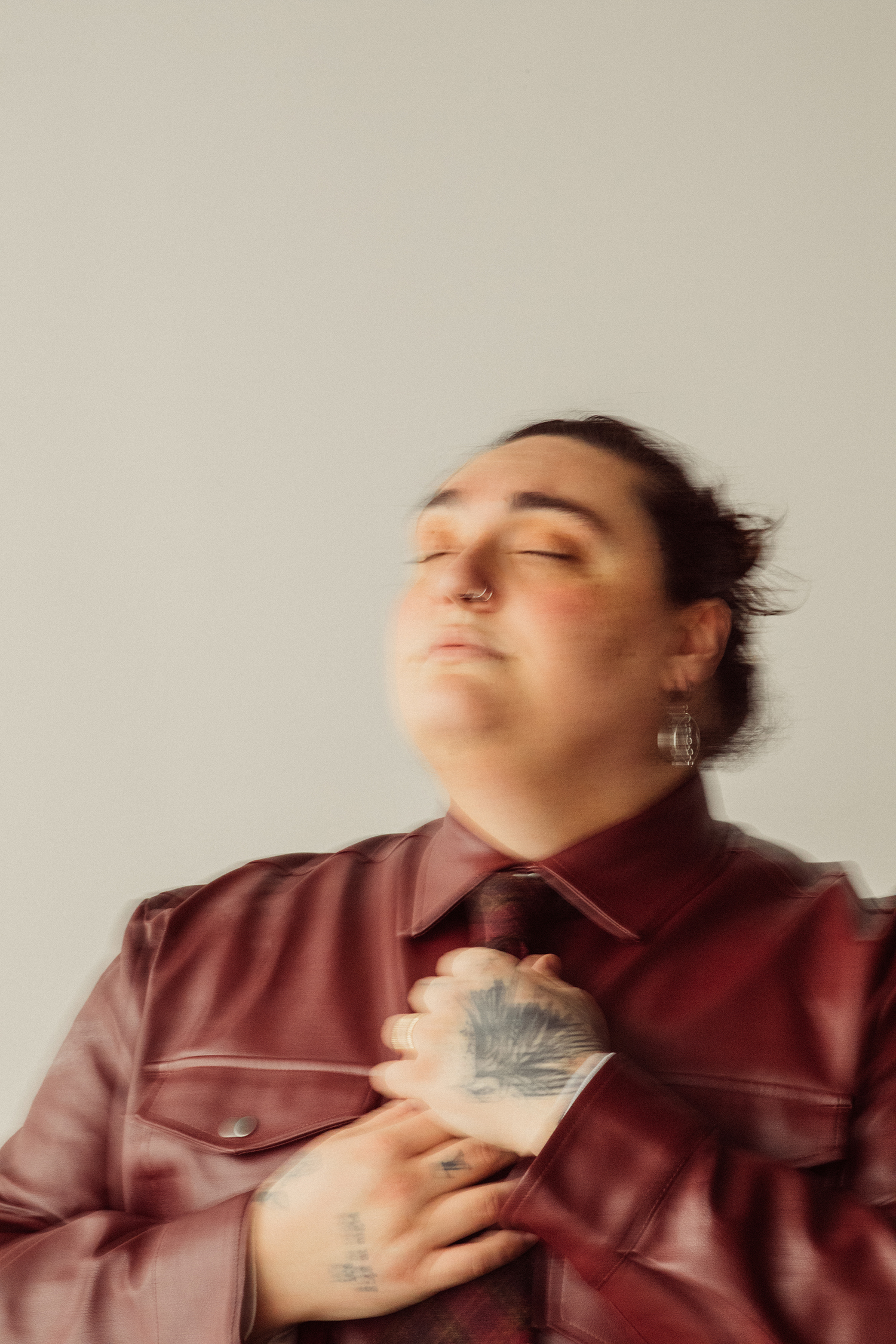
    In conversation with LADYGUNN, Fine opens up about life on the road, the rituals that ground her — including cooking — and the ways community can turn heartbreak into healing.

    Ari: 

    Let’s start with the present day. I’m curious what this tour represents for you emotionally at this stage in your career?

    Jamie:
    It’s very emotional, period. I’m a very emotional person, I think a lot of artists probably are. And I have ADHD, and I’m a cancer. I don’t have a chance in life at not being emotional, haha. 

    I’ve dreamt about [this tour] for a long time and then there was this block of time where I was just so focused on navigating through all the crap. Then we played West Hollywood Pride last year, 2025. It was so last minute…it was in, like, three weeks. We figured it out, we flew out, and we played in front of thousands of people – 90% of which had no idea who I was. And I lived for that. We made them fans by the end of it. And that show itself led to us getting a US agent, and that’s how this tour came to be. 

    It’s been one of the more emotional experiences of my life, for sure, especially with who I get to experience it with – my boys. I’ve been playing with them for 8 years…we built this together. I won’t play with anybody else, and this tour is a representation of how far we’ve come, and everything we’ve overcome. It’s beautiful. 

    Ari: 

    Oh, I love that. There’s nothing like a solid band with that chemistry on stage. 

    Jamie: 

    Yeah! I don’t want to be this, like, pop star sitting at the front of stage with the band behind the scenes. Like, I’ve never wanted that. It feels very lonely and I want to play with people. We don’t outshine each other. We all compliment, and it’s very special. 

    Ari: 

    Why do you guys like playing in front of new fans who’ve never heard of you? 

    Jamie Fine: 

    We care deeply about the music that we play, and we care deeply about connecting with people. And if we can’t do that, then we’ve failed at our job. We’ve done that enough times that we’re very confident in that aspect. Getting in front of a group of people who have never heard of us before – and maybe even wouldn’t in another life listen to our music – to be able to convert them by the end of that, it’s so special, right? 

    And we don’t take ourselves very seriously. I write very emotional music, but half of our show is like a comedy skit. We just love laughing with the crowd, and including them. I’m so big on making people feel like they have a safe space in me. I love that feeling. 

    Ari: 

    Wow, that’s so beautiful. What do you think you’re gonna learn on this tour that you haven’t yet? 

    Jamie Fine: 

    Enjoy the moment. I’m always thinking ahead, I’m always planning for what’s next. And I’ve allowed myself – and made the boys remind me – to just chill for a frickin’ second and take in what we’re experiencing now. We wake up every day, just with a big smile on our face, soaking in everything that we’ve been through leading to this. It sounds so corny, but I haven’t been able to do that on a tour in a long time, if ever. 

    Ari: 

    Okay, period. Let’s get to the music. “Cups of coffee” tugged at my heart a bit because I could feel the nostalgia, the grief. I’m curious – when you wrote it – did you travel back to that grief and experience it again, or were you writing from a retrospective place? 

    Jamie Fine: 

    No, I traveled right back. I traveled right back, haha. I mean, this song is about my current partner and my ex. And my ex, I still chat with her. She’s married, you know, and we check in on each other to see how each other’s doing. I’m very close with her family, like some of the biggest parts of my life, and this song for me was celebrating that. Celebrating that not everyone that comes in your life is necessarily meant to stay forever, but sometimes those relationships can change and that’s okay. My relationship with her was very, very special. A lot of that relationship taught me how to be a partner and I want that to be celebrated, not something that’s like icky. And that’s what this song is about. Thanking her for teaching me how to love in the way that I could.

    Ari: 

    Beautiful. What does a cup of coffee represent for you? When you ask someone to go grab one with you? 

    Jamie Fine: 

    Quality time. It’s my love language. I care deeply about spending time with people, and I think it’s a lost art. You know? Phones, FaceTime, call and text. Sitting down with my phone on silent with somebody that I love dearly and catching up. I do make an effort to do that a lot. The intimacy of sitting down with somebody and drinking a cup of coffee and just relaxing and chilling and hearing what each other has to say without anything, you know, around them. That’s very important. 

    Ari: 

    A lot of themes of being present! 

    Jamie: 

    Totally, which I struggled doing. With my ADHD, with the craziness of my life, I really struggle to be present, and that’s affected a lot of my relationships in a really tough way. It’s something I’ve really had to work on, slowing down and being present.

    Ari: 

    Do you think that heartbreak kind of forced you to be present? 

    Jamie Fine: Woof. I think pain in general does. I had a really bad mental breakdown in 2016, and I vowed that I’d never get back there, and I would do the work. And I did the work. Figured out my trauma, figured out why I was the way I was, figured out why I was so stressed, figured out why I couldn’t be present. I did the work ’cause I woke up and I said, I don’t want to be this way anymore. And doing that work was the hardest thing I’ve ever done in my life. But it taught me the value of what pain can teach you, right?

    Ari: 

    That’s important, especially in the queer community, to talk about because we experience a lot of the shadows. And everything you’re saying, to me, I’m hearing it’s worth it to go through the work and come out the other side. 

    Jamie Fine:

    It is. It is worth it.

    Ari: Speaking of queerness, your fan base has got to be emotionally invested in your music – because I’m a new fan, and I am already. So I’m curious, what is a moment with a fan that you’ll never forget? 

    Jamie Fine: 

    Ugh! I have a couple. The first one: there was a group of women who reached out to me 7 years ago. One of the women in that group had been diagnosed with stage 4 cancer. So, so, so devastating. I had just released the song “Ain’t Easy,” and they went on this one last beautiful girls trip together. They knew she didn’t have a lot of time left and I think they went to Nashville. They blared it. the whole way in Nashville. And one of the women reached out to me after she had passed, which was devastating. And she had said, “I just want to thank you…we will never forget that trip.” And I didn’t even know what to say. But it was so beautiful and I think it was the first time I realized the power of music in a big way. I’ve never forgotten that. 

    And then the second one: this past summer, we played a festival called Somo Fest, which is in East Coast Canada in Charlottetown. And…I’m very ambiguous with my gender; I’m a woman and I identify as a woman, but any chance I get, I’m like, “fuck, I wish I was a boy.” Haha I’m very open about that. It’s not complex to me, you know. And this person came up to me and said, “I know you’re not trans, but the ambiguity you have around gender gave me the confidence to come out as trans.” And they had talked about being suicidal the year before, and they’d listen to my music over and over again. 

    That represented a lot for me, with who I want to be in the queer community. I want to be a safe space for people. To see this person connect with that in a big way, it launched me into like, “Oh, I’m on a frigging mission.” This person was 15 and let’s be honest. I don’t envy any kid in this world right now, in this era. When I was in high school it was bad enough. So for them to be able to find confidence through something that they can latch onto – ugh, that’s everything. Literally the whole reason why I started doing music in the first place. 

    I think humans confuse the scale of complex and simple with easy and hard. When we think something’s complex, it’s actually just hard. And if we uncomplicate things, I think a lot of our problems would be solved. And me learning that lesson of like uncomplicating things in my head has made me be like so unapologetically me. I’m lucky that I got to learn that lesson but if I can help especially queer youth learn that lesson earlier than I could, I consider that a win, you know? 

    Ari: 

    Brilliant. So moving on – you’re a cook. What? 

    Jamie Fine: 

    Yeah, I went to culinary school haha

    Ari: 

    Sick. Green flag! What does cooking give you that music doesn’t? 

    Jamie Fine: 

    Hahaha love that. Oh my god, it’s funny because it actually gives me very similar things that music gives me. It gives me art. Allowing myself to focus on something. When I’m cooking, I get to start a process – thinking about what I want to cook, getting the groceries for it, prepping all my ingredients, making something, and visualizing what I want it to look like on a plate. That process takes 6 hours, and the eating takes 20 minutes, haha. But music isn’t like that, right? It’s not that linear. Sometimes you write a song and a year later it comes out or you send it to finish production or whatever it is. With cooking, it’s a little more validating right away. It’s very calming for me. 

    Ari: 

    Love that. And, I mean, you’re feeding people with both mediums. 

    Jamie Fine: 

    100%, yeah, and again, it goes to the cup of coffee, right? Connecting with people. Who cares about anything else? 

    Ari: 

    Right! Ok, I would love to do a quick little fire round and call it a day.

    Jamie:
    Let’s do it.

    Ari:
    Fastest song you’ve ever written.

    Jamie:
    If anything’s left”

    Ari:
    Song you wish you wrote.

    Jamie:
    Ooh, “Iris,” Goo Goo Dolls.

    Ari:
    Coffee or tea?

    Jamie:
    Coffee.

    Ari:
    Night owl or early bird?

    Jamie:
    Night owl.

    Ari:
    Share demos, or don’t share demos?

    Jamie:
    Share demos. I need the validation, baby.

    Ari:
    Intimate room or festival stage?

    Jamie:
    Intimate. All day. All day.

    Ari:
    Your sound as a flavor.

    Jamie:
    Whoa. That’s funny, a little spicy probably. Umami, I gotta go umami. Cause it’s everything, you know? It’s well balanced. Little bit of pop, a little bit of jazz, a little bit of rap, a little bit of R&B, umami.

    Ari:
    And what you’re doing later today.

    Jamie:
    Pool, tequila. We’re gonna spend some band time together because our L.A. show was just last night, we were gonna go to sugarfish, I think. And just, you know, have some sushi and drink some sake and just spend time together as a band and soak in everything before we head to Salt Lake.

    Ari:
    Yeah. Any last words?

    Jamie:
    I fuuuuucckkkiinngggg love you.
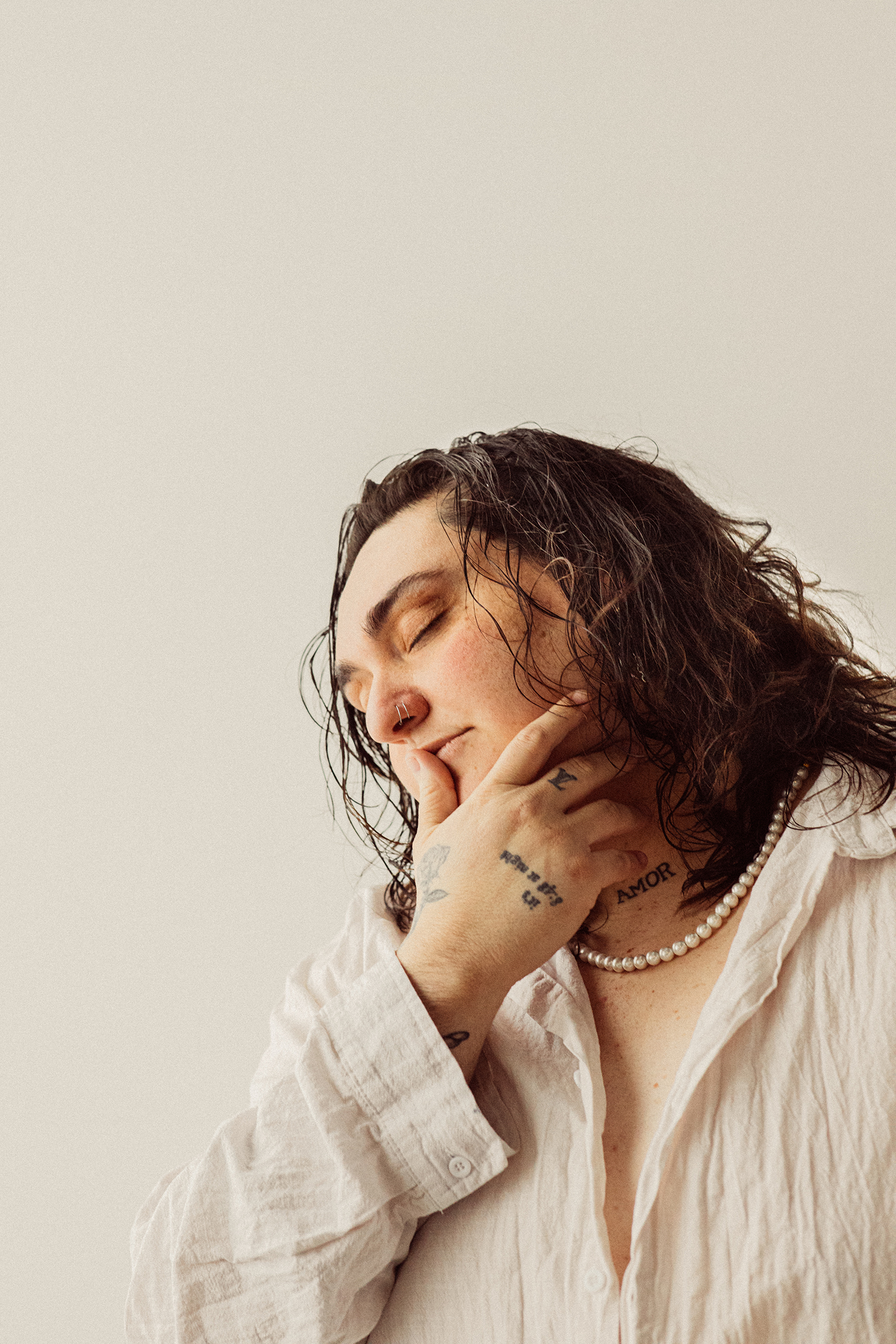
     

    CONNECT WITH JAMIE FINE

    INSTAGRAM // TIKTOK


    The post JAMIE FINE ON THE LOST ART OF SITTING DOWN WITH SOMEONE YOU LOVE appeared first on LADYGUNN.