There was a man named Prem who played a violin.
For his beloved girlfriend.
To express his feelings for her.
Prem and his girlfriend met at a violin concert.
From there their love story started!


There was a man named Prem who played a violin.
For his beloved girlfriend.
To express his feelings for her.
Prem and his girlfriend met at a violin concert.
From there their love story started!
 The Short Answer
Do sun-dried tomatoes go bad? Yes, but the timeline depends almost entirely on what type you have and how you store them. Dry-packed sun-dried tomatoes are among the most shelf-stable pantry ingredients you can own. Oil-packed ones are more perishable once opened, and homemade versions in oil carry a food safety consideration that most storage guides skip entirely.
Understanding the difference between the two types is the most important thing here. They behave very differently in storage, and the rules for one do not apply to the other. For a broader look at how to store pantry condiments and staples, see our Food Storage Guide.
 Sun-Dried Tomato Shelf Life at a Glance
| Type & Condition | Pantry | Refrigerator |
|---|---|---|
| Dry-packed, unopened | 9 to 12 months | Up to 2 years |
| Dry-packed, opened | 6 to 9 months (airtight container) | Up to 1 year |
| Oil-packed, unopened | 1 to 2 years | Beyond best-by date; quality declines over time |
| Oil-packed, opened | Not recommended | Up to 6 months |
| Homemade in oil (plain, fully dried, no garlic or fresh herbs) | Up to 6 months if fully dried | 1 to 2 months after opening |
| Homemade in oil with garlic or fresh herbs | Not safe — refrigerate only | 4 days maximum |
| Frozen (either type) | — | Up to 1 year |
 Dry-Packed vs Oil-Packed: Why It Matters
Dry-packed sun-dried tomatoes are sold in bags or vacuum-sealed pouches and look like dried fruit: leathery, shrunken, and intensely colored. Because nearly all their moisture has been removed during drying, there is very little water available for mold or bacteria to grow. This makes them remarkably shelf-stable. Stored in a cool, dark pantry in an airtight container after opening, they will stay good for the better part of a year.
Oil-packed sun-dried tomatoes are softer, already partially rehydrated, and submerged in olive oil, often with garlic, herbs, or other seasonings. The oil creates an anaerobic (low-oxygen) environment that extends shelf life when sealed but requires careful handling once opened. Once air gets into the jar, the clock starts. They must be refrigerated and kept fully submerged in oil at all times.
 The Food Safety Warning Most Guides Skip
This section matters most for anyone making sun-dried tomatoes at home or adding fresh ingredients to a store-bought jar.
Clostridium botulinum, the bacterium that produces botulism toxin, thrives in anaerobic (low-oxygen) environments like oil. Fully dried tomatoes on their own are acidic enough to provide some protection in that environment. But adding fresh garlic, fresh herbs, or other low-acid ingredients to a jar of oil creates conditions where botulism can develop.
The Oregon State University Extension Service is explicit on this point: dried tomatoes packed in oil with garlic or herbs must be refrigerated and used within 4 days. The National Center for Home Food Preservation (NCHFP) recommends against storing any homemade tomatoes in oil, noting that oil can protect botulism organisms trapped in water droplets even when other conditions appear safe.
Commercial oil-packed sun-dried tomatoes are produced under controlled pH and processing conditions that address this risk. The 4-day rule applies to homemade preparations and to store-bought jars where fresh garlic or fresh herbs have been added after opening.
 A Normal Thing People Mistake for Spoilage: Solidified Oil
This is the most common reason people throw out perfectly good oil-packed sun-dried tomatoes. When refrigerated, olive oil solidifies. The jar will look cloudy, opaque, or waxy, and the oil may form small white beads or crystals around the tomatoes. This is completely normal: it is the natural physical behavior of olive oil at cold temperatures.
To use, remove the jar from the fridge and let it sit at room temperature for 20 to 30 minutes. The oil will return to liquid and the tomatoes will be easy to remove. Bella Sun Luci, one of the leading commercial producers of oil-packed sun-dried tomatoes, confirms this is an expected and natural process and not a sign of spoilage.
 How to Tell If Dry-Packed Tomatoes Have Gone Bad
The main enemies of dry-packed sun-dried tomatoes are moisture and age. If they were stored somewhere humid or the bag seal was broken and exposed to air for a long time, quality declines noticeably:
Slight hardening over time is not automatic spoilage. Dry-packed tomatoes can be rehydrated in warm water or broth for 20 to 30 minutes to restore their texture. If they smell off or show any mold, discard them.
How to Tell If Oil-Packed Tomatoes Have Gone BadNormal and not spoilage:
The Key Storage Rule for Oil-Packed: Keep Them SubmergedAny tomato sitting above the oil line and exposed to air is at risk of mold. Every time you use some, check that the remaining tomatoes are fully covered. If the level drops, top up the jar with fresh olive oil before returning it to the fridge. This one habit makes the difference between a jar that lasts 6 months and one that grows mold at 6 weeks.
Always use a clean, dry utensil when removing tomatoes. Never use fingers or a wet spoon. Introducing water into an oil-packed jar is one of the fastest ways to cause early spoilage.
 Frequently Asked Questions
Can you eat sun-dried tomatoes that have turned very dark?
Dry-packed tomatoes naturally darken over time due to oxidation. A very dark brownish-red color is normal and does not mean they are bad. Smell them first. If they still smell like concentrated tomatoes, they are fine to eat.
My dry-packed tomatoes have gone very hard. Are they ruined?
Not necessarily. Hardening happens when moisture has been drawn out further over time. Try rehydrating a few in warm water for 20 to 30 minutes. If they soften and smell normal, they are fine to use. If they do not rehydrate or smell off, discard them.
Can I use the oil from an oil-packed jar?
Yes. The tomato-infused oil is excellent in salad dressings, as a pasta finish, or for sautéing aromatics. Use it while the jar is within its window and the oil smells fresh. Do not use oil that has gone rancid even if the tomatoes still look okay.
How long do sun-dried tomatoes last after the best-by date?
Dry-packed varieties are often fine 3 to 6 months past the printed date if stored properly and the bag was never opened. Oil-packed unopened jars can be fine 6 to 12 months past the date. Once opened, follow the type-specific storage guidelines above rather than the printed date.
Can I freeze sun-dried tomatoes?
Yes. Dry-packed tomatoes freeze well in a sealed freezer bag with air removed for up to a year. For oil-packed, remove from the oil, pat dry, and freeze in a single layer before transferring to a container. Both thaw quickly at room temperature.
What does it mean if my oil-packed jar is bubbling?
Bubbling or fizzing is a sign of active fermentation: yeast or bacterial growth in the jar. Discard immediately without tasting.
I added fresh garlic to my oil-packed jar. Is it still safe?
Only if you refrigerate it immediately and use it within 4 days. Fresh garlic in oil at room temperature creates conditions where botulism can develop. The Oregon State University Extension Service is explicit about this rule. Refrigerate and use within 4 days, or discard.
 Related Food Storage Guides
 Recipes That Use Sun-Dried Tomatoes
The post Do Sun-Dried Tomatoes Go Bad? Shelf Life, Spoilage Signs & Storage Tips appeared first on Better Living.
The Short AnswerDo sun-dried tomatoes need to be refrigerated? It depends on the type. Dry-packed sun-dried tomatoes do not need refrigeration before or after opening. Oil-packed sun-dried tomatoes do not need refrigeration before opening, but must be refrigerated once the seal is broken. Homemade sun-dried tomatoes in oil follow stricter rules depending on what else is in the jar.
Getting this wrong in either direction causes problems. Leaving oil-packed open at room temperature risks spoilage and a potential food safety issue. Over-refrigerating dry-packed tomatoes is not harmful but can introduce moisture if the container is not well sealed. For a broader look at storing pantry staples, see our Food Storage Guide.
 Sun-Dried Tomato Storage Quick Reference
| Type | Unopened | After Opening |
|---|---|---|
| Dry-packed (bag or pouch) | Cool, dark pantry — no fridge needed | Airtight container, pantry or fridge — 6 to 9 months |
| Oil-packed (commercial jar) | Pantry — no fridge needed | Refrigerate — up to 6 months, keep submerged in oil |
| Homemade in oil (plain, fully dried, no garlic or fresh herbs) | Cool, dark place if fully dried — up to 6 months | Refrigerate — 1 to 2 months |
| Homemade in oil with garlic or fresh herbs | Refrigerate immediately — 4 days maximum | Refrigerate — 4 days maximum |
 Dry-Packed: No Refrigeration Required
Dry-packed sun-dried tomatoes have had nearly all their moisture removed during the drying process. Without moisture, there is very little for mold or bacteria to grow on, which makes them stable at room temperature for months.
Store unopened bags in a cool, dark pantry away from heat sources. After opening, transfer to an airtight container and return to the pantry or a kitchen cabinet. The goal is to keep moisture out: that is the only real threat to dry-packed tomatoes. A humid cabinet near the stove or sink is worse for storage than a slightly warmer but drier shelf.
Refrigerating dry-packed tomatoes is not harmful, but it is unnecessary and has a small downside. Condensation can form when you take the container in and out of the fridge, introducing the moisture you are trying to avoid. If you do refrigerate them, make sure the container is very well sealed.
Oil-Packed: Refrigerate After OpeningUnopened commercial jars of oil-packed sun-dried tomatoes are shelf-stable and do not need refrigeration. The oil barrier, the tomatoes’ natural acidity, and commercial processing make them stable in a pantry for 1 to 2 years.
Once you open the jar, refrigeration is necessary. The seal is broken, air can reach the tomatoes, and the conditions that made the jar shelf-stable no longer fully apply. Bella Sun Luci, one of the leading commercial producers, is explicit: all their oil-packed products must be stored in the refrigerator once opened and used within 6 months.
The single most important habit for an opened oil-packed jar: keep the tomatoes submerged in oil at all times. Any tomato sitting above the oil line and exposed to air is at risk of mold growth. Top up the jar with fresh olive oil whenever the level drops before returning it to the fridge.
 Why the Oil Solidifies in the Fridge (And Why That’s Fine)
Olive oil solidifies at cold temperatures. When you refrigerate an oil-packed jar, the oil will turn cloudy, opaque, or waxy, and may form small white beads or crystals around the tomatoes. This is not spoilage: it is the natural physical behavior of olive oil below around 50°F.
To use, remove the jar from the fridge 20 to 30 minutes before you need it. The oil will return to liquid at room temperature and the tomatoes will be easy to retrieve. If you want the oil to stay more pourable, store the jar in the door of the fridge, which runs slightly warmer than the middle shelves.
Homemade Sun-Dried Tomatoes in Oil: Stricter RulesCommercial oil-packed sun-dried tomatoes are produced under controlled conditions that manage pH and moisture to prevent bacterial growth. Homemade versions do not have these controls, so the storage rules are different and in one specific case much stricter.
Plain homemade (no garlic, no fresh herbs): Fully dried tomatoes packed in plain olive oil can be stored at room temperature for up to 6 months if the tomatoes were dried until completely leathery with no remaining moisture. The tomatoes’ acidity provides some protection. Refrigerate after opening and use within 1 to 2 months.
With fresh garlic or fresh herbs: Fresh garlic and fresh herbs in oil create an anaerobic (low-oxygen) environment that can support Clostridium botulinum, the bacterium that produces botulism toxin. The Oregon State University Extension Service is explicit: dried tomatoes in oil with fresh garlic or herbs must be refrigerated and used within 4 days. The National Center for Home Food Preservation recommends against storing any homemade tomatoes in oil, noting that oil can protect botulism organisms trapped in water droplets even when conditions otherwise appear safe.
If you want to flavor your oil-packed tomatoes with garlic, use dried garlic powder rather than fresh, or refrigerate and use within 4 days. The 4-day rule applies to homemade preparations only. Commercial jars with garlic listed in the ingredients have been processed to control for this risk.
Best Fridge Storage Practices for Oil-PackedUse a clean, dry utensil every time. Never use fingers or a wet spoon. Water introduced into an oil-packed jar gives mold something to grow on and dramatically shortens the jar’s life.
Keep tomatoes submerged. Check the oil level every time you use the jar. Top up with fresh olive oil if needed before putting the jar back in the fridge.
Do not return drained oil to the jar. Oil that has been poured out and exposed to other ingredients should not go back in. Only add fresh olive oil to top up the level.
 Signs Your Stored Sun-Dried Tomatoes Are Still Good
 Signs to Discard Frequently Asked Questions
Can I leave oil-packed sun-dried tomatoes out overnight after opening?
A few hours at room temperature while cooking is fine. Leaving them unsealed on the counter overnight is not recommended. The bigger concern is not a single night at room temperature but ongoing air and moisture exposure over weeks.
My oil-packed jar has been in the fridge for 8 months. Is it still good?
Check the smell first. If the oil smells fresh and the tomatoes look and smell normal with no mold, it may still be okay. Six months is a quality guideline, not a hard cutoff, but at 8 months inspect carefully and trust your senses.
Can I store dry-packed tomatoes in the freezer?
Yes. Sealed in a freezer bag with air removed, they last up to a year with no quality loss. Thaw at room temperature for 20 minutes or rehydrate directly from frozen in warm water.
The oil in my jar has gone very dark red. Is that spoilage?
No. This is the tomatoes infusing their color into the oil over time. Dark red or orange-tinted oil is normal and desirable. The infused oil is excellent for cooking. If the oil smells rancid rather than tomatoey, that is a separate issue.
I store my oil-packed jar in the pantry after opening. Is that okay?
For commercial jars, a few days at room temperature is unlikely to cause a problem but is not recommended. Over weeks, the risk of mold grows significantly. Refrigerating after opening gives you a 6-month window instead of a much shorter and riskier pantry window.
Related Food Storage Guides Recipes That Use Sun-Dried TomatoesThe post Do Sun-Dried Tomatoes Need to Be Refrigerated? Full Storage Guide appeared first on Better Living.


A few months ago, we asked you what money questions are on your mind. We got nearly a thousand responses, and one theme that came up over and over was the financial trickiness of being a stay-at-home parent.… Read more
The post “I Chose To Stay Home With The Kids. Now I’m Freaking Out.” appeared first on Cup of Jo.


The future is analog!
Doesn’t that sound backwards? But have you heard of this?
On Friday I attended a neighborhood gathering. The beautiful warm weather has a grip on us all and encouraged a large attendance for the snack and chat event.
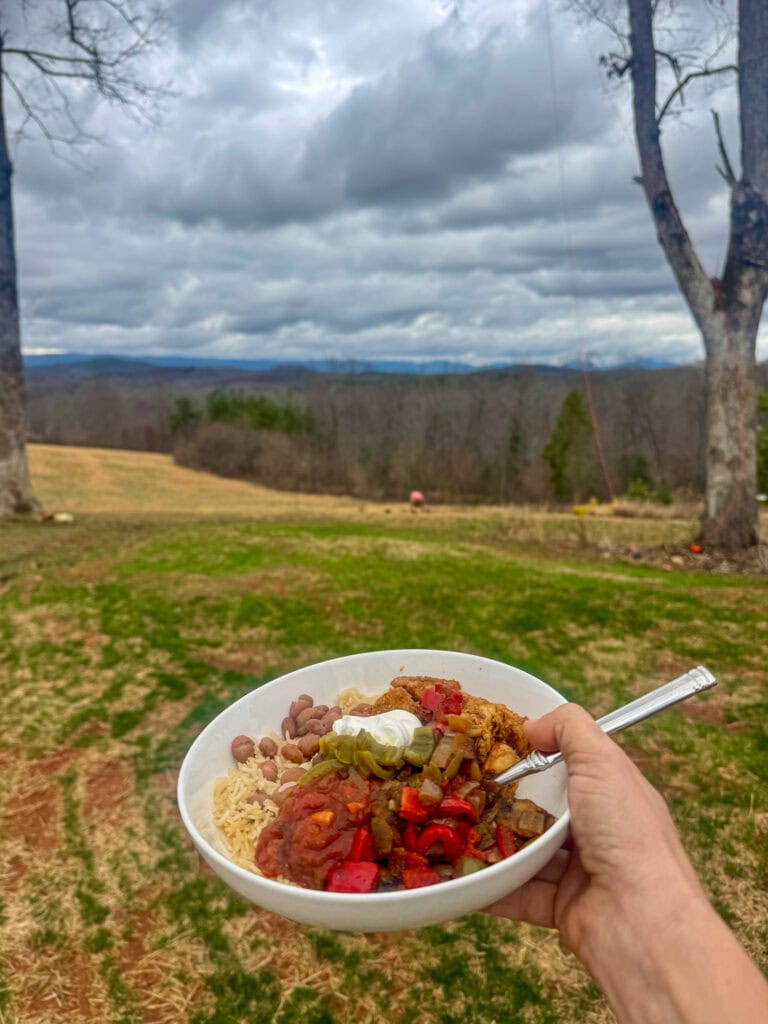
I ended up speaking with some of my favorite ladies that are in a life stage beyond mine and had a downright wonderful time as we discussed hobbies. It wasn’t an intentional discussion on hobbies but the conversation naturally wove through garden prep to sourdough to needlepoint and antique shops. We have a lot of things we enjoy in common!
One woman even mentioned that her daughter taught her a new trending word for all these hobbies she enjoys- analogging.

.
Have you heard of this?
I’ve heard the term “grandma hobbies” and “going analog” but whatever you call it, I’ve also witnessed an increased trend in these hands-on, non-digital based ways to spend time. Analog hobbies help break the dependency on screen based entertainment and the “doom scrolling” that is so easy to fall victim to these days. And I am here for it!
I would like to add blog reading and Substack to the list because even though it’s digital, it feels more analog to me check to in on someone’s life and thoughts through a written medium. I might even add phone calls or Marco Polo because those methods of connection I’ve found to be very fulfilling.
I do think it’s funny that this is trending though. I thought it was something I was just being drawn to in my own life, but it’s neat to hear that I’m not the only one experiencing digital fatigue and finding respite in slower living. It really does feed the soul.
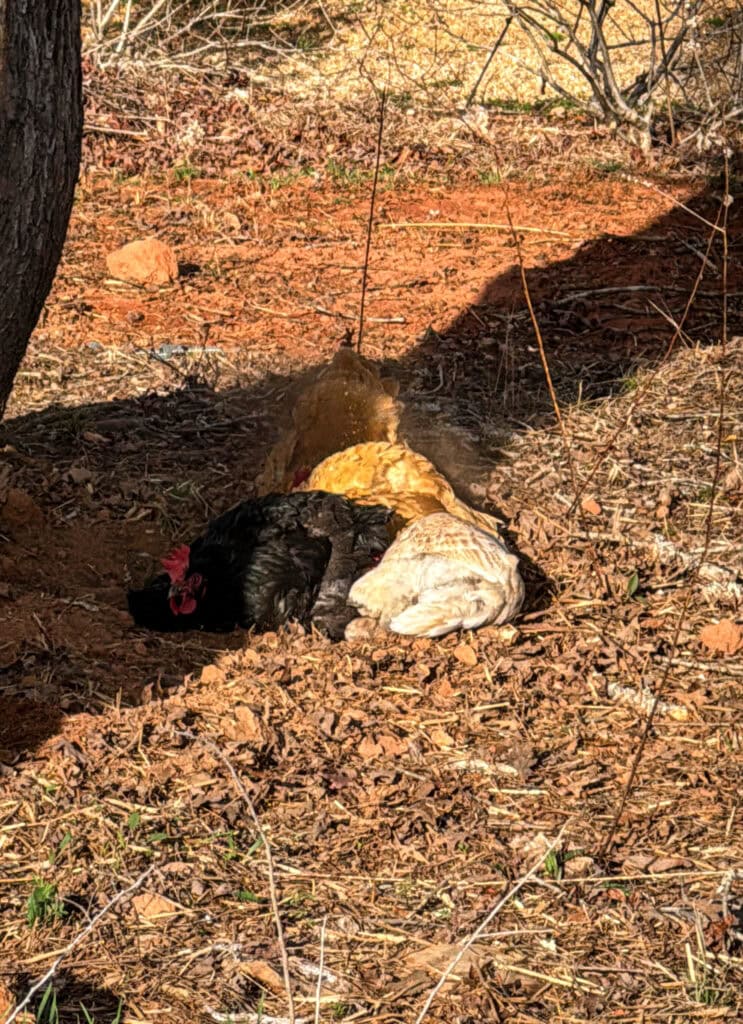
Going analog isn’t about going full on Little House on the Prairie, but it is about finding something to reach for beyond a screen. It’s about rediscovering the satisfaction and peace that comes with accomplishing something with your own two hands: a meal, a piece of art, a cozily decorated spot in your home, a plant thriving, a completed puzzle, a clean chicken coop (just me?).
And with that, I’m off to feed my starter!
Have you heard of this trend?
Is there any analog hobbies you’ve rediscovered peace and joy with lately?

 “How was your purchase?” “How was your return?” “How was your meal?” “Did the staff smile?” If it feels like every transaction now comes with a request for feedback, you’re not imagining it. Businesses increasingly rely on customer surveys to measure satisfaction and loyalty, and consumers are being asked to respond to them everywhere—from restaurants and retailers to doctors’ offices and repair shops. The problem is that the volume of these requests is beginning to overwhelm the very people they are meant to learn from.
I rarely respond to a request for feedback, but I feel guilty when I delete it. I am one of many consumers who read the reviews of products and restaurants, so I understand their importance. It’s not that I don’t want to help the businesses, it’s that I am short on time, and there are so many surveys. I also don’t want to give them more information about me. Questions like “how likely are you to return to this restaurant?’ or ‘how often do you buy shoes?’ unnerve me. The other aspect of the reviews is you don’t know how long the survey is, and I feel stuck when I’ve already invested thoughtful time on the first 7 questions, and then discover I’m only halfway through.
 Survey fatigue or survey exhaustion is a common response from consumers who feel relentlessly requested to complete surveys about their recent transactions. Consumer patience with the surveys has been waning for over a decade. Survey requests doubled between 2023 and 2025, making consumers ignore, delete, or mark the surveys as spam. The result for businesses is poor data quality, low response rates, and consumers potentially abandoning the brand.
Sometimes the business can be downright annoying in their pursuit of a review. That approach is backfiring and causing many customers to reduce their use of the offending company. As a result, businesses are also slowing down their pursuit of reviews, and that’s a good thing.
How many surveys are out there? One small company that conducts and analyzes electronic surveys says it completes more than 60 million annually. And there are many other small and large firms doing the same work!
Why all the surveys? Businesses want to lock in customer loyalty. They think surveys will allow them to learn about their customers and how the business can please them. The question is, are the surveys giving businesses the wrong information about consumers??
Survey response rates are declining, but even when customers do complete the surveys, research is showing that their results are not reliable. Consumers often make irrational purchases, but when they complete surveys, they are thoughtful and not impulsive. That does not give businesses future predictions of their purchases.
What can businesses do to alleviate survey fatigue?
 For a laugh, watch this Saturday Night Live skit with Jake Gyllenhaal dealing with customer service. (note: it’s rated R)
The post Are the Relentless Consumer Surveys Annoying You? appeared first on Sharp Eye.
 The Short Answer
Does sriracha need to be refrigerated? No, sriracha does not require refrigeration, even after the bottle has been opened.
According to Huy Fong Foods, the maker of the most widely used sriracha, their products simply need to be stored in a cool, dry place. The vinegar base, capsaicin from the chilies, and added preservatives make the sauce shelf-stable at room temperature.
That said, refrigeration is genuinely worth doing if you go through a bottle slowly. Cold storage slows oxidation, keeps the color brighter, and prevents the heat level from intensifying as quickly. You don’t have to refrigerate it, but if your bottle sits on the shelf for more than a few months, the fridge will keep it noticeably better for longer.
Sriracha Storage Quick Reference| Storage Method | Quality Window | Best For |
|---|---|---|
| Pantry, unopened | 2+ years | Long-term storage, stockpiling |
| Pantry, opened | 6–9 months | Daily or frequent users |
| Refrigerator, opened | 12–18 months | Occasional users, color preservation |
| Freezer (ice cube tray) | Indefinite | Bulk storage only |
| Homemade sriracha, opened | 1–3 months (fridge only) | Must be refrigerated — no pantry storage |
 What Huy Fong Actually Says
Huy Fong Foods has confirmed directly that their sriracha does not require refrigeration. The recommendation on their website is to store the product in a cool, dry place. The best-by date is lasered onto the bottle near the neck. You can often feel it with your fingers before you can read it visually.
This guidance applies to their complete product line, not just the original sriracha. The combination of distilled vinegar, capsaicin, potassium sorbate, and sodium bisulfite makes refrigeration a quality choice, not a safety requirement.
 The Real Reason to Refrigerate Sriracha
Refrigeration doesn’t prevent spoilage in commercial sriracha. It slows two specific quality changes that happen when the opened bottle sits at room temperature:
Color darkening. Sriracha oxidizes when exposed to air. Over several months at room temperature, the bright red fades to a darker brownish-red. This is purely aesthetic and does not affect safety, but if you want your sriracha to stay vibrant, the fridge significantly slows oxidation. The cold also limits light exposure, which accelerates the same process.
Heat intensification. As sriracha ages, the chili compounds continue to develop. An older bottle at room temperature will typically taste hotter than a fresh one. Some people prefer this. But if you want consistent, predictable heat, cold storage slows the process considerably.
If you use a bottle within two to three months, neither of these changes will be noticeable. If your bottle sits for six months or more, refrigeration makes a meaningful difference in both color and flavor.
Where to Store Sriracha in the FridgeIf you do refrigerate sriracha, store it in the door compartment rather than the main shelves. The door is slightly warmer than the interior, which keeps the sauce more pourable. Cold sriracha from the main fridge shelves can thicken enough to be difficult to squeeze from the bottle, especially in a squeeze bottle format. Door storage avoids this without sacrificing the temperature benefit.
 Homemade Sriracha: Different Rules
Everything above applies to commercial sriracha. Homemade sriracha operates under entirely different storage rules and should always be refrigerated.
Without potassium sorbate, sodium bisulfite, or industrial pH control, homemade sriracha relies entirely on the natural preservation from vinegar, salt, and capsaicin. That provides some protection, but nowhere near enough for room-temperature storage once opened. Homemade sriracha left at room temperature is at real risk of mold growth, especially in warmer kitchens.
Refrigerate homemade sriracha immediately after making it and use it within 1 to 3 months. Keep it in a clean glass jar with a tight lid. Do not store it on the counter between uses.
Sriracha Mixed With Other IngredientsThe moment you mix sriracha into another sauce — sriracha mayo, sriracha aioli, sriracha butter, or any dip — the shelf-stability rules change completely. The other ingredients (mayo, dairy, eggs) dominate and the sriracha’s preservative qualities no longer protect the mixture.
Any sriracha-based sauce or dip must be refrigerated and used within 3 to 5 days. Do not store these at room temperature under any circumstances.
Signs Your Stored Sriracha Is Still Good Signs to Discard It Frequently Asked QuestionsWill refrigerated sriracha get too thick to use?
It can thicken slightly in the coldest part of the fridge, but the sauce itself doesn’t solidify. Storing it in the door (warmer zone) and giving it a shake before use is enough to keep it pourable. If it seems very thick, let it sit at room temperature for a few minutes before using.
Should I refrigerate sriracha after every use or only for long-term storage?
If you use it at least once a week, room temperature storage is fine for 6 to 9 months. If you use it occasionally and the bottle will sit for many months, put it in the fridge. The decision is purely about quality, not safety.
Does refrigerating sriracha change the taste?
Refrigeration doesn’t change the flavor profile, it preserves it. Room-temperature storage is what changes the taste over time (hotter, more vinegary, less fresh). Cold storage maintains the original flavor more faithfully.
Can I leave sriracha out on a restaurant table indefinitely?
Restaurants do this routinely with commercial sriracha. It’s safe and standard practice. High-turnover bottles in busy restaurants get replaced often enough that quality doesn’t degrade significantly. A home bottle left on the counter for six months is a different situation than a restaurant bottle used many times a day.
Does the brand matter for whether to refrigerate?
It matters for homemade or artisan srirachas with fewer preservatives, these need refrigeration. Commercial brands like Huy Fong with added preservatives are genuinely shelf-stable. Always check the label on smaller brands for their specific storage guidance.
What about the USDA’s recommendation?
The USDA FoodKeeper app recommends using opened chili sauces within 6 months at room temperature — a conservative quality guideline, not a strict safety cutoff. Most commercially produced sriracha will remain good beyond this window, but 6 months is a reasonable target for best flavor.
Related Food Storage Guides Recipes That Use SrirachaThe post Does Sriracha Need to Be Refrigerated? Full Storage Guide appeared first on Better Living.
 The Short Answer
Does sriracha go bad? Yes, but very slowly, and almost never in a way that makes it unsafe to eat.
Sriracha is built to last. Its main ingredients (chili peppers, distilled vinegar, salt, and garlic) are all natural preservatives, and commercial brands like Huy Fong add potassium sorbate and sodium bisulfite on top of that. The result is one of the most shelf-stable condiments in your kitchen.
What actually happens over time is quality decline, not spoilage. The color shifts from bright red toward a darker brownish-red. The heat level changes, and not in the direction most people expect. The bigger concern is knowing the difference between a bottle that’s genuinely gone bad versus one that’s just aged normally.
Sriracha Shelf Life at a Glance| Condition | Pantry | Refrigerator |
|---|---|---|
| Unopened (commercial) | 2+ years | Indefinite |
| Opened (commercial) | 6–9 months (best quality) | 12–18 months |
| Past best-by date (unopened) | Often fine 6–12 months beyond | — |
| Homemade sriracha (opened) | Not recommended | 1–3 months |
| Sriracha mayo or mixed sauces | Not safe | 3–5 days only |
These figures apply to Huy Fong and comparable commercial brands. The 6–9 month pantry window is Huy Fong’s own recommendation for best flavor — the sauce won’t suddenly become unsafe the day it hits month 10, but quality will be noticeably different.
 Why Sriracha Lasts So Long
Three things work together to make sriracha exceptionally shelf-stable:
Distilled vinegar. Vinegar is a natural antimicrobial. Its acidity (low pH) creates an environment where most bacteria and mold cannot survive. This is the same reason vinegar-based hot sauces outlast dairy-based or fruit-based ones by a wide margin.
Capsaicin. The compound that makes chili peppers hot also has antimicrobial properties. Capsaicin inhibits bacterial growth across a wide range of pathogens, which is part of why pure hot sauces have historically been used as food preservatives in warm climates. A 2023 review published in Nutrients confirms capsaicin’s antibacterial and antifungal activity against bacteria including Salmonella, E. coli, and Staphylococcus aureus.
Added preservatives. Commercial sriracha (Huy Fong and most other brands) includes potassium sorbate and sodium bisulfite. These extend shelf life further and slow the color and flavor changes that happen with air exposure. Homemade sriracha has none of these, which is why it needs refrigeration and has a much shorter window.
Why Sriracha Gets Spicier Over TimeThis surprises most people. As sriracha ages, the bright, fresh chili and garlic notes tend to degrade faster than the capsaicin itself, which shifts the flavor balance. That means an older opened bottle will typically taste hotter than a fresh one, even if the total capsaicin content hasn’t changed. Huy Fong notes this directly: the sauce may become spicier as the chilis age. This is a quality change, not a safety issue, but it’s worth knowing if you find your sriracha seems more intense than you remember.
Refrigeration slows this process significantly. If you prefer consistent heat, keep the bottle cold.
Color Change: Normal or Spoilage?Color darkening is one of the most common reasons people throw out perfectly good sriracha. It is almost always normal.
Fresh sriracha is a vibrant, bright red. Over time, typically after several months opened at room temperature — it shifts toward a deeper, more muted brownish-red. This is oxidation, the same chemical process that darkens cut apples, avocado, and most other red or orange foods when exposed to air. It does not mean the sriracha has spoiled.
The color change happens faster at room temperature and slower in the refrigerator, which is the main practical reason to refrigerate an opened bottle even though it is not required for safety.
The only color change that signals a real problem: patches of a different color (white, green, black, gray) that look like mold growth on the surface or around the lid. That is not oxidation. That is contamination, and the bottle should be discarded.
 Sauce Separation: Is It Spoilage?
You may notice some liquid sitting at the top of a bottle that has been stored for a while. This is normal separation, the water content migrates away from the denser solids. It is not a sign the sauce has gone bad. Shake the bottle well before using and the sauce will recombine.
Separation that cannot be recombined by shaking. Thick clumps, hardened solids that won’t break up, or a texture that seems fundamentally different from what you bought is a different matter and worth inspecting more carefully alongside the smell and taste.
Homemade vs. Store-Bought: A Key DifferenceCommercial sriracha is formulated for shelf stability. Homemade sriracha is not. Without industrial preservatives, homemade versions rely entirely on the natural preservation from vinegar, salt, and capsaicin — which is meaningful but limited.
Homemade sriracha should always be refrigerated and used within 1 to 3 months. Do not leave it at room temperature. The same applies to any sriracha-based sauce you make at home. Sriracha mayo, sriracha aioli, sriracha butter — all of these need refrigeration and have a window of just a few days.
Signs Sriracha Is Still Good Signs Sriracha Has Gone Bad Finding the Best-By Date on a Huy Fong Bottle
The best-by date on Huy Fong sriracha is not printed in an obvious spot. It is lasered directly onto the bottle near the neck. You can often feel the slight impression with your fingers more easily than you can read it visually. If you can’t find it, that’s why.
The date is a best-quality guideline, not a safety cutoff. An unopened bottle stored in a cool, dark pantry is typically still fine 6 to 12 months past the printed date, especially if the bottle is intact and the seal has never been broken.
Frequently Asked QuestionsCan sriracha make you sick?
Properly stored sriracha that has not developed mold or an off smell is extremely unlikely to make you sick. The vinegar and preservatives make it inhospitable to harmful bacteria. The greater risk is from cross-contamination — double-dipping a utensil into the bottle repeatedly introduces bacteria from other foods.
Why does my sriracha smell more vinegary than usual?
As sriracha ages, the chili and garlic compounds break down while the vinegar becomes more prominent. A more vinegary smell in an older bottle is normal quality decline, not spoilage — as long as there’s no mold and the sauce still tastes like sriracha.
Does freezing sriracha work?
Yes, but it requires a bit of effort. The sauce won’t freeze solid in a standard bottle (the vinegar lowers the freezing point), but for long-term storage you can freeze it in an ice cube tray and transfer the cubes to an airtight bag. It keeps indefinitely frozen and thaws quickly. Most people won’t need this unless they buy in bulk.
Is sriracha still good if the cap has dried sauce on it?
Dried sauce around the cap is normal. Wipe it clean before using to avoid introducing dried, potentially contaminated material back into the bottle. The sauce inside is unaffected.
Does the type of sriracha brand matter for shelf life?
Brands that include added preservatives (potassium sorbate, sodium bisulfite) like Huy Fong will last longer than brands with a simpler, more natural ingredient list. Always check the label. Artisan or small-batch srirachas with fewer preservatives are closer to homemade in terms of shelf life and should be treated accordingly.
Can I use sriracha that’s turned brown?
Yes, in almost all cases. Browning is oxidation, not spoilage. The flavor will be somewhat different — usually hotter and with a more muted freshness — but it is safe to eat. If the only issue is color, use it up and buy a fresh bottle when it runs out.
My sriracha is past its best-by date but smells and tastes fine. Is it okay?
Yes. The best-by date reflects peak quality, not a safety threshold. If it smells like sriracha, tastes like sriracha, has no mold, and pours normally, it is fine to use.
Related Food Storage Guides Recipes That Use SrirachaThe post Does Sriracha Go Bad? Shelf Life, Spoilage Signs & Storage Tips appeared first on Better Living.

Wishing all the ladies a very happy International Women’s Day!
Today is our day, and we make a difference in the world!


Going on a cruise with family is like a holiday.
Staying in a hotel.
Enjoying like sightseeing.
A cruise is full of entertainment.
Playing games in every corner.
Being near water is adventurous.
Eating different cuisines is delicious.
Those who love drinking are having fun at the bar.
In the evenings, everyone is dressed up to dance.
It’s memorable to be on a cruise, no doubt about it!


