The primary trends are the desire for fewer, but better products, high quality, innovative fashion and home technology.
Consumer trends are showing the impact of the expensive, unpredictable, and frightening world which we are living in now. Many consumers are prioritizing experiences over products, seeking pleasant, joyful, and authentic engagement while demanding, high-quality, long-lasting, and cost-effective goods in a tech-integrated world.
Shoppers grew cranky in 2025 with poor product quality. Those with disposable income have an increased desire for items that might be more expensive but ‘worth it’. They are value-driven and cost-conscious, prepared to purchase fewer items to spend more on items that are higher quality.
Health and wellness
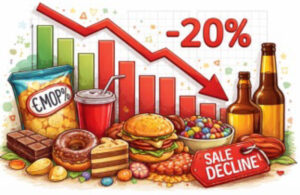
Wellness and well-being, which includes pharmacy, health and beauty products are going to continue to be the top earners in consumer products. Popular wellness products include functional sleep products like mouth tape, fitness equipment and classes, AI-driven beauty, fresh produce, nutritional supplements, interest in sustainable and community-focused brands. On the other end of the spectrum, snacks, sweets, and alcohol are showing the steepest drops in consumer spending.

Arts and crafts are becoming very popular. Etsy has had a 200% spike in orders for needlepoint projects. Analog hobbies like embroidery and needlepointing, are filling the time for those who want to use their phones and other tech devices less. Arts & crafts will be a dominant, accelerating trend in 2026, evolving from a pastime into an essential, daily “self-care” ritual to combat screen time and constant bad news. Key 2026 trends include textured fabric crafts (quilting, felt), DIY kits, sustainable materials, and personalized, handmade items like ceramics and jewelry.
Beauty products
There is a rise in male beauty spending. Almost one in five men cares more about beauty than they did ten years ago, and a quarter are adding skincare to their daily routine. In the crowded skincare field, longevity has emerged as an important theme, and brands are embracing wellness rituals and ingredients as consumers prioritize health. It’s about cultivating skin cells that work harder for us. We’re after skin that is resilient, able to repair itself, and looks (and, crucially,) feels good not just now, but for years to come. Once dismissed as a trend, 2025 made clear that Korean cosmetics (K-beauty) is here to stay: In the past year, Korean cosmetics have taken the Western market completely by storm—flooding our social feeds, dominating our “best of” guides, and saturating our stores.
- Tech-Enhanced Skincare: LED light therapy devices, facial cleansing brushes, blackhead remover vacuums, LED teeth whitening kits, and ice face mask molds are popular for at-home routines.
- Haircare: Heatless curling sets, sleep bonnets, lash lift kits, and scalp treatments are in demand.
- Beauty Supplements: Products supporting skin, hair, and health through ingestion are trending.
The increase of “Kidult” shopping is a rise in emotion-driven buying. It is driven by adults seeking comfort in playful, comforting products for themselves. Kidults account for up to a third of toy sales, especially nostalgic toys. Pinterest calls these shoppers the ‘throwback kids’. We saw that at the end of 2025 with the adorable Labubus! (See our article about the 2025 Labubu craze).

I’ll bet that light-up Lego sets, coming in 2026, will be as popular with adults as the Lego flower bouquets were. Many consumers are showing a growing interest in comfort and nostalgic things. They will also be reading hard copy books and listening to vinyl records, like the ‘old days’.
Consumers’ concern about affordability has resulted in second-hand or refurbished products being sought after. “Thrifting’ includes renting expensive fashion items and baby and gardening equipment, instead of buying them. See this article from NBC on the best sources for buying used clothing.
Home gadgets, design, and improvements – Since COVID, consumers have been investing in improving their immediate surroundings. Shoppers want to make their homes restorative sanctuaries. They want better lighting, scents they love, fun or time-saving gadgets, improvements to their outdoor spaces. Antique and consignment shops will get attention as consumers want unique, period pieces, and organic and textured fabrics.
- Smart Home: Devices that add convenience and intelligence to homes.
- Comfort & Sensory: Products that offer comfort, like weighted blankets or items with unique textures (gummy, soft) appeal to self-care trends. Home protection products are increasingly in demand.
- Gadgets: Pill organizers with dual-mode cutting and safety locks are popular. A stair-climbing robot vacuum, an almost paper-thin TV, and a smart ring that is a discreet, one-handed way to dictate your thoughts.
 Stair-climbing robotic vacuum

How we will shop:
One-third of consumers and 70% of Gen Z are using AI tools for budgeting, planning, and shopping. AI-powered chatbots and virtual assistants have transformed customer service. These “agents” provide instant support, answering questions and assisting with purchases around the clock. Beyond simple recommendations, agents can reorder household essentials and suggest recipes with product links based on what’s in the shopper’s refrigerator.
You can watch this video to see some of the top fashion trends for 2026: 
This video has new 2026 smart home devices that look fun!
The post 2026 Consumer Product Trends appeared first on Sharp Eye.

Leave a Reply